Understand people
A path through the models and biases of social life — the levers of influence, the errors we make reading each other, and the quiet logic of cooperation and tribes.
We are relentlessly social and reliably wrong about each other. This room walks from the levers that move people, through the systematic errors we make when we judge them, to the deeper logic of why groups behave as they do.
▶ Play as slideshow · 7 stops, hands-free- 1Social proofMental modelSocial proof
When unsure, people copy people. The crowd is a shortcut — and a trap.
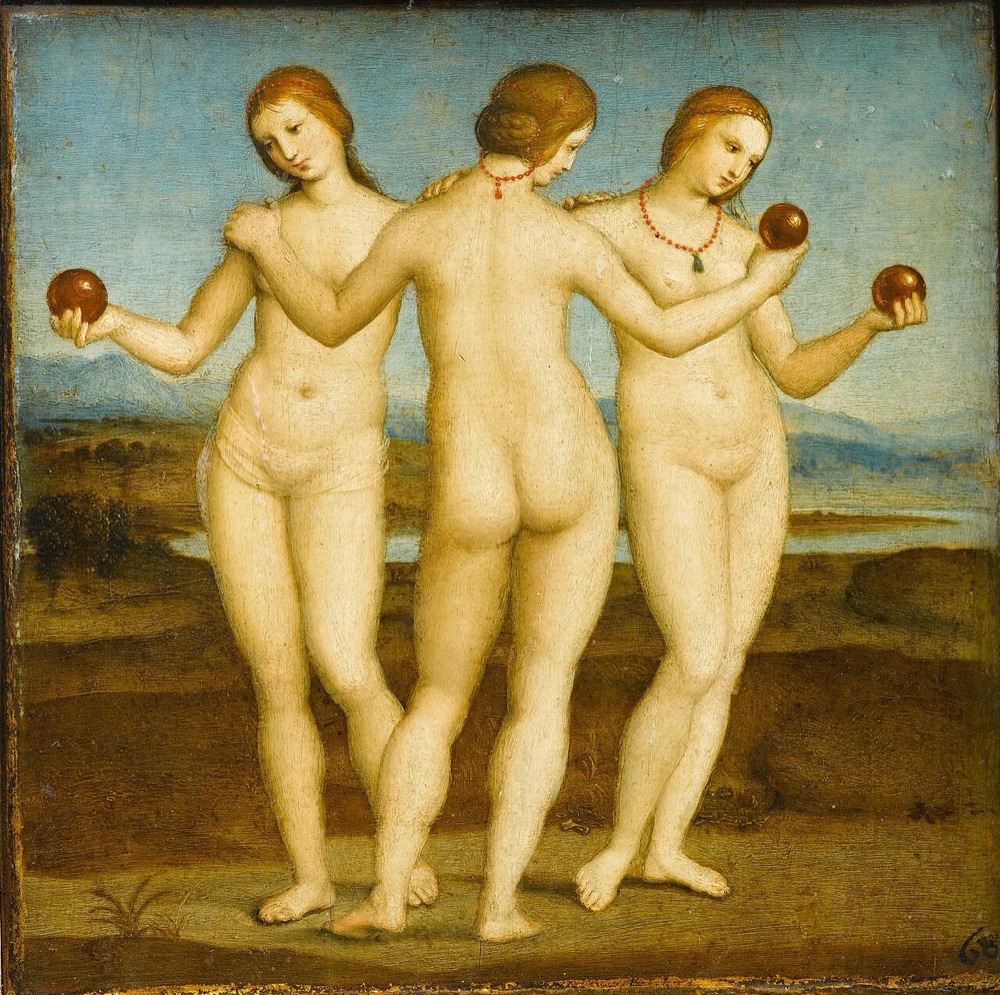 2Mental modelReciprocity
A favour creates a debt. Much of human cooperation — and manipulation — runs on this single reflex.
- 3Authority biasCognitive biasAuthority bias
A confident title bends our judgment more than the argument underneath it should.
- 4Fundamental attribution errorCognitive biasFundamental attribution error
We explain our own failures by circumstance and others’ by character. Almost always backwards.
- 5Cognitive biasHalo effect
One good trait — attractive, articulate — leaks into our whole impression of a person.
- 6In-group biasCognitive biasIn-group bias
We extend trust to “us” and suspicion to “them” — often over lines that barely exist.
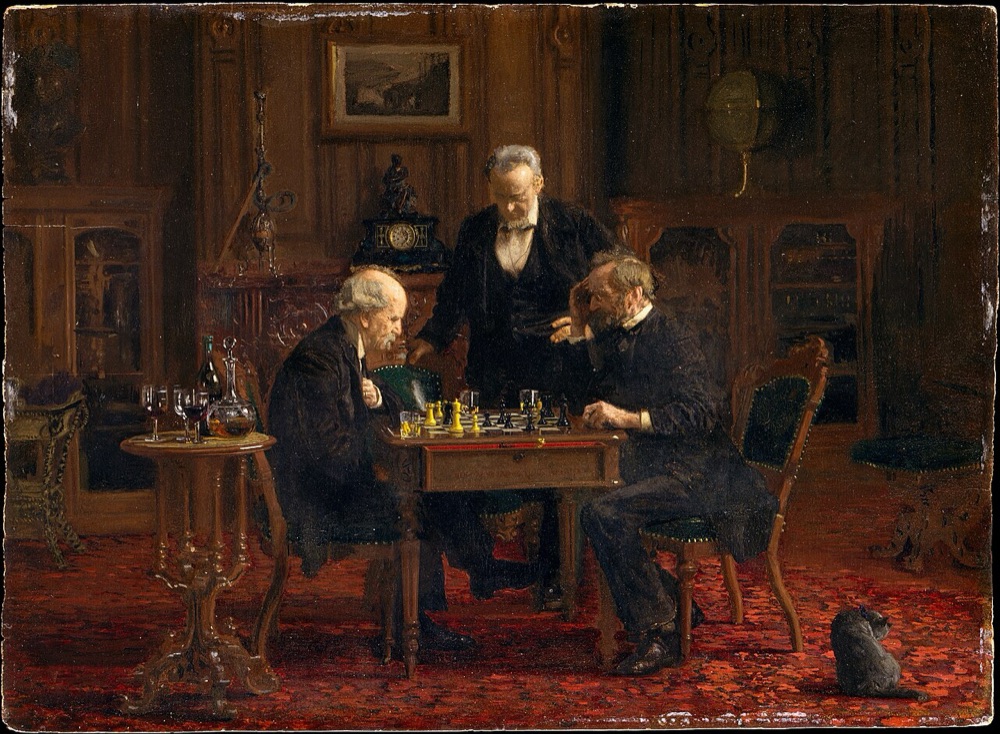 7Mental modelGame theory
Zoom out: cooperation, betrayal and trust follow a logic you can actually reason about.
Where this leaves you
Understanding people means holding two things at once: the levers that move them, and the humility that you’re misreading them in predictable ways. Master both and you become harder to fool and easier to trust.
Go deeper
Affiliate links. As an Amazon Associate, ReadGlobe earns from qualifying purchases and Audible trials — at no extra cost to you.
The book behind this idea: Influence by Robert Cialdini. Hear the whole thing free — start an Audible trial and your first audiobook is on the house.
Read the full summary of Influence →
More canonical picks:
- Thinking, Fast and Slow — Daniel Kahneman
- The Art of Thinking Clearly — Rolf Dobelli
- The Great Mental Models, Volume 1 — Shane Parrish
- Poor Charlie’s Almanack — Charlie Munger
- Super Thinking — Gabriel Weinberg & Lauren McCann
- Seeking Wisdom — Peter Bevelin