The visual history of ideas
To picture an idea — melancholy, wisdom, power, death — an artist has to decide what it is. Trace one across the centuries and you watch its meaning change. Each essay follows a single idea through the paintings that shaped how we see it.
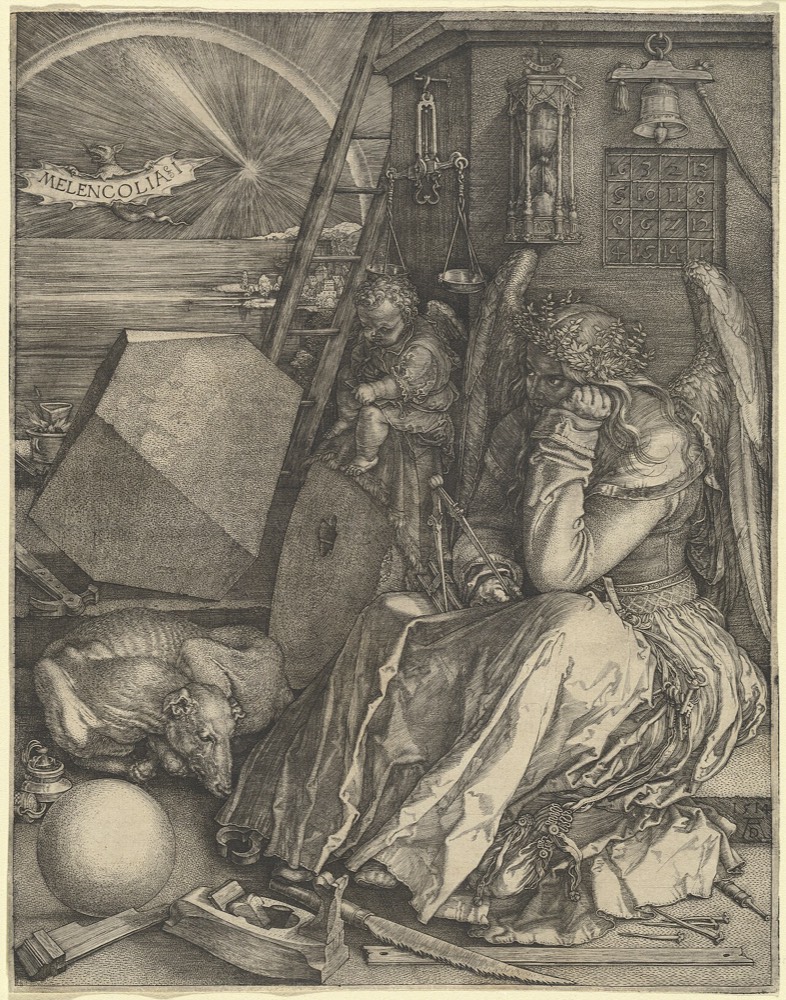
Melancholy
For five centuries artists painted the same downturned head resting on a hand — but what melancholy meant changed completely: from a Renaissance badge of genius, to a Baroque meditation on death, to modern psychological alienation.
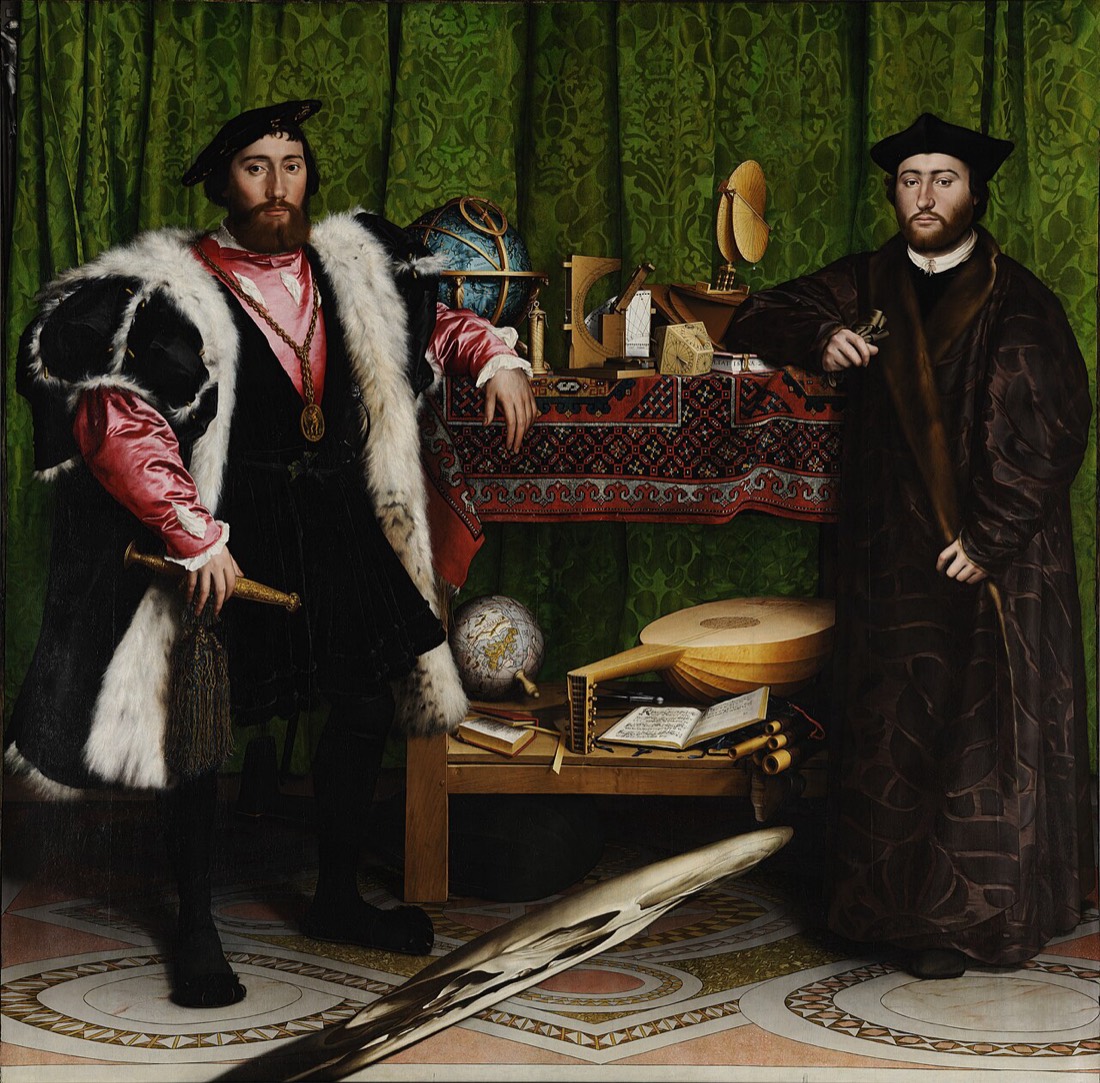
Memento mori
For four centuries Western art carried the same reminder — memento mori, “remember that you must die” — but kept changing how it showed it: from a skull smuggled beneath worldly power, to a Dutch still-life sermon, to a skull studied like a specimen, to Cézanne’s skulls painted as pure, symbol-free form.
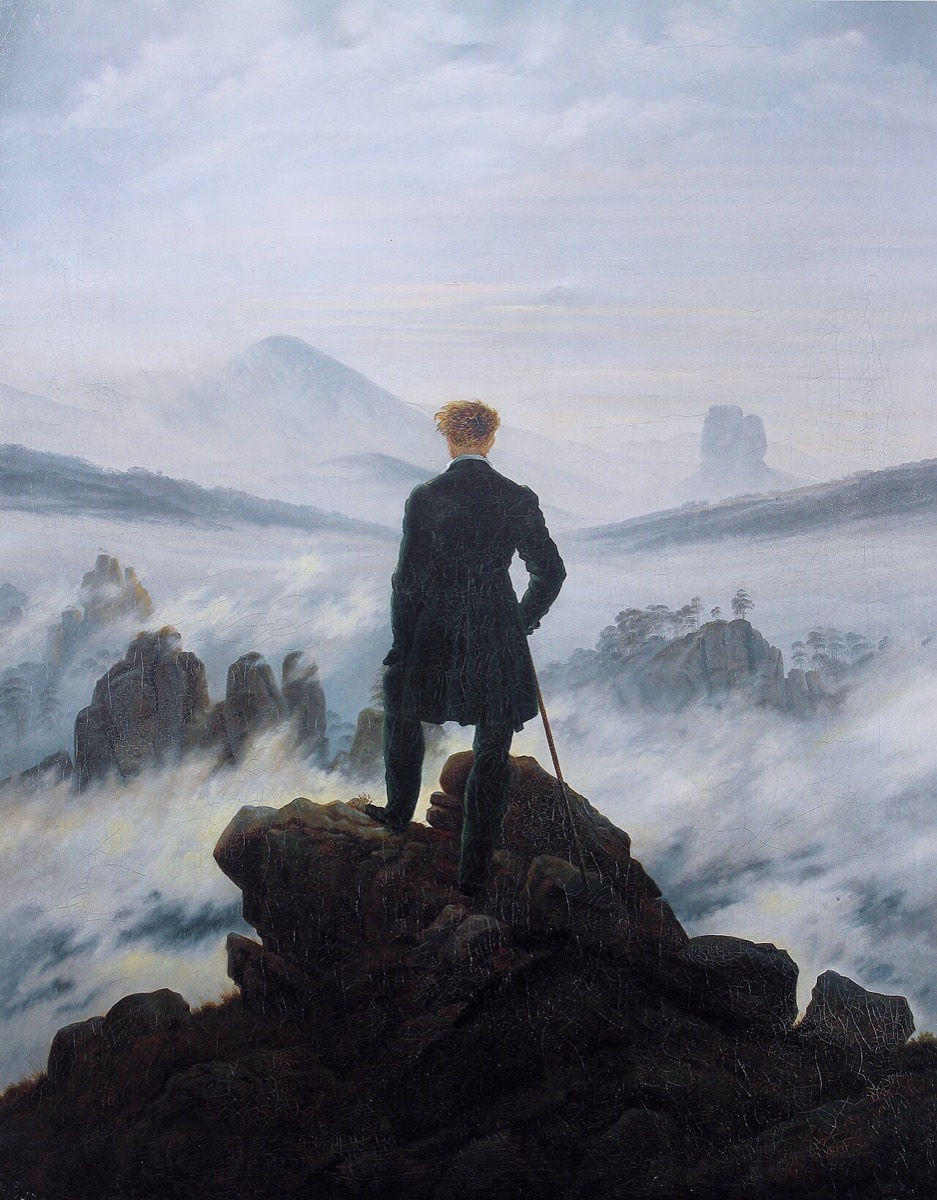
The sublime
The sublime is the overwhelming — the feeling of being dwarfed by something vast. For a century artists painted it and slowly moved it from inward to outward: from Friedrich’s lone soul before the infinite, to Bierstadt’s glowing spectacle of the American West.
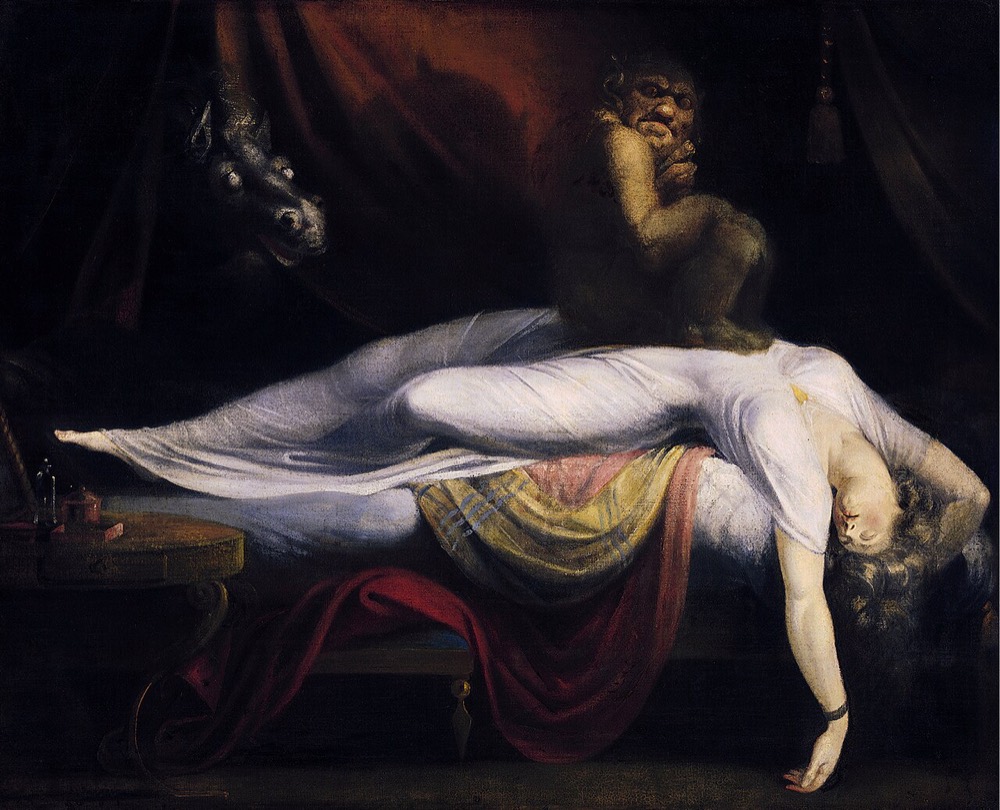
The Night
In roughly one century, artists turned the night from a place of terror into the most beautiful subject in painting — from Fuseli’s demon-ridden dark, to Whistler’s pure “nocturnes”, to Van Gogh’s ecstatic, living sky. The dark stayed the same; what we saw in it changed.
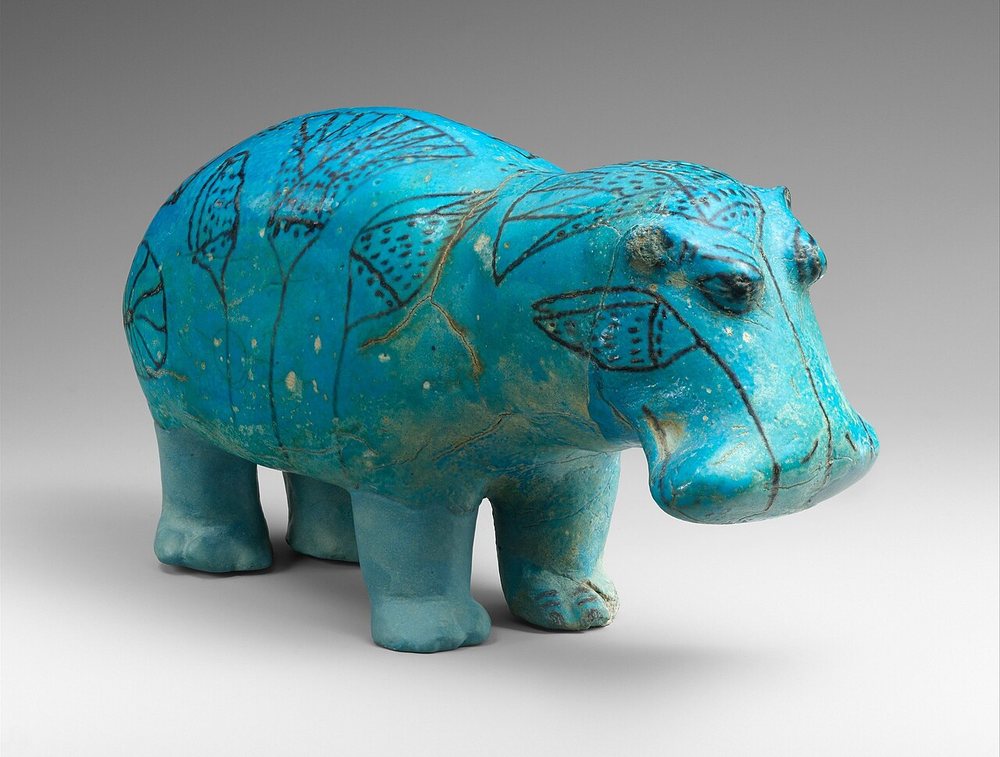
Blue
Blue is the one colour humans had to manufacture. It barely exists in usable minerals, so for 4,500 years the history of blue in art is really a history of chemistry, trade routes and cost — and of what a civilisation was willing to pay to see it.
More visual histories are on the way — wisdom, power, death, the sea, the night.