The books behind the ideas
The definitive books on mental models, cognitive biases, decision-making, investing and philosophy — each with a clear summary of what it teaches and the ideas inside it.
Read an idea in two minutes, then read the book behind it. Or start from a question with a best-books reading list.
Start from a question
Every book
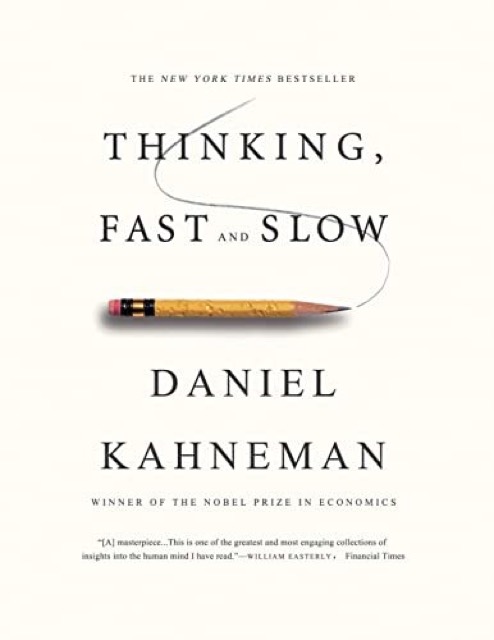
The definitive account of how the mind decides — and misfires.
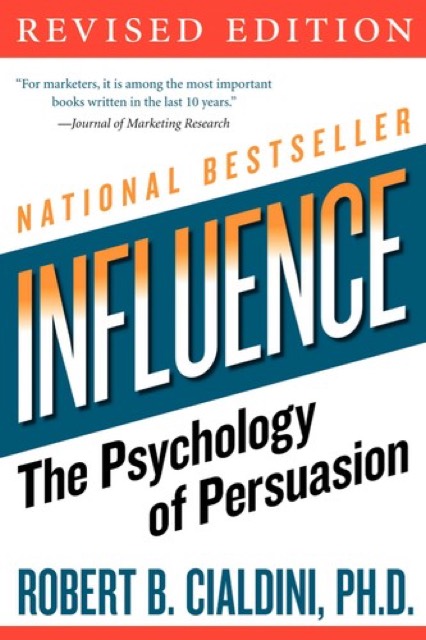
Six psychological triggers that make people say yes—and how to resist them.
The rare, unpredictable event runs the world — and we never see it coming.

Some things break under stress; others need it to grow stronger.
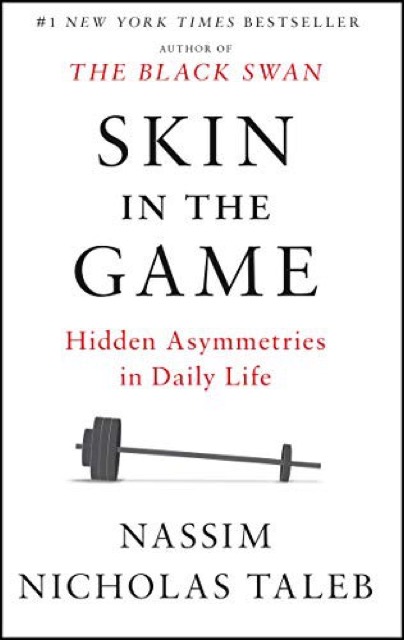
Never trust advice from someone who pays no price for being wrong.
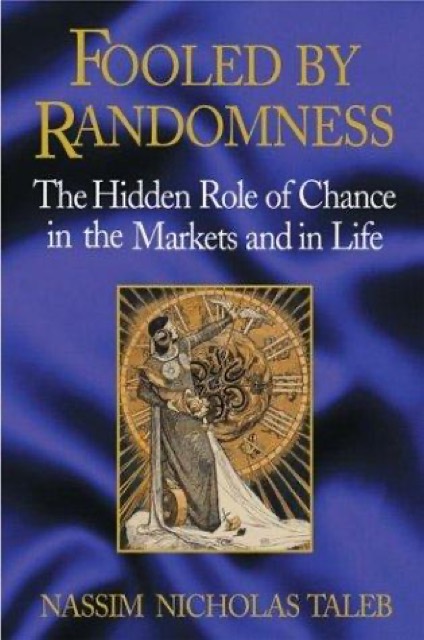
Why the winners we admire are often just the ones luck spared.
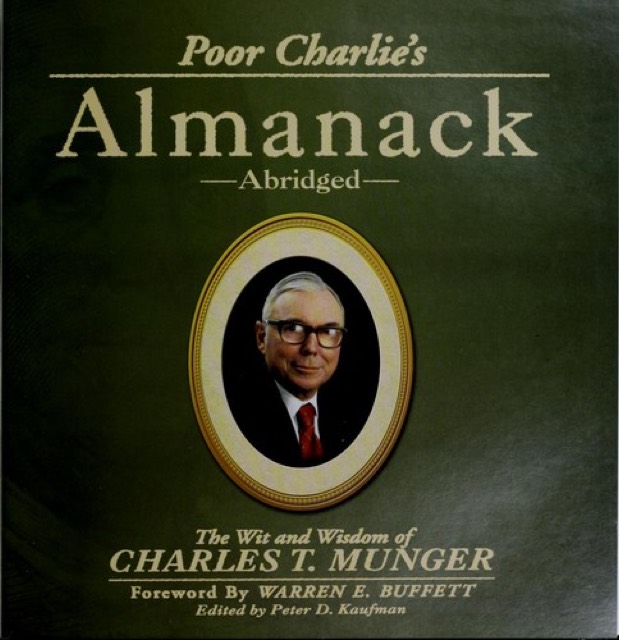
Charlie Munger's cross-disciplinary mental models for sounder, failure-proof judgment.
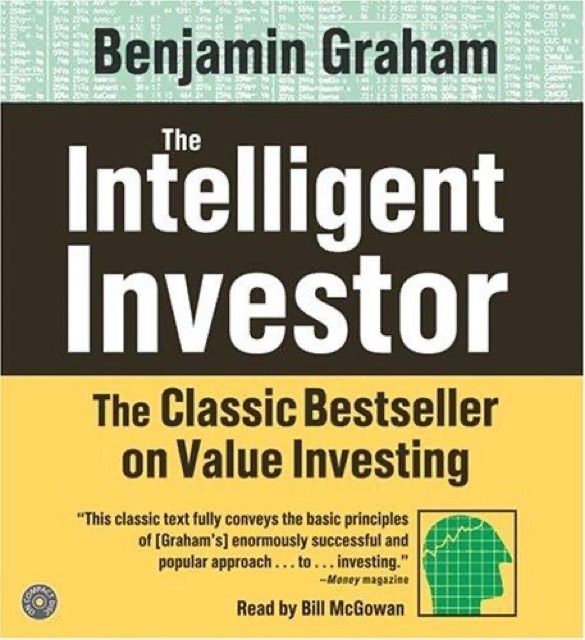
Buy value below price, ignore Mr. Market, keep a margin of safety.
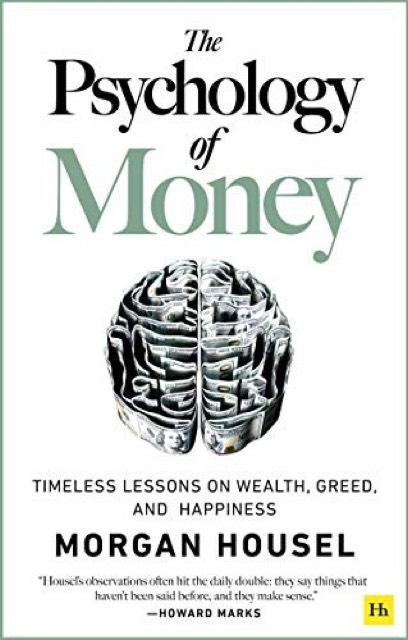
Money is a behavior problem, not a math problem.
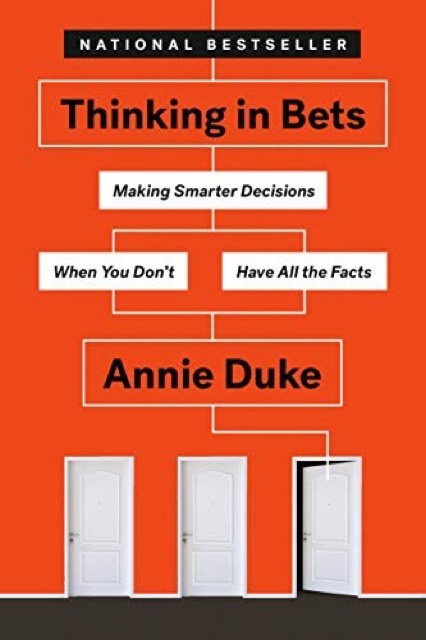
Judge the decision, not the outcome the dice delivered.
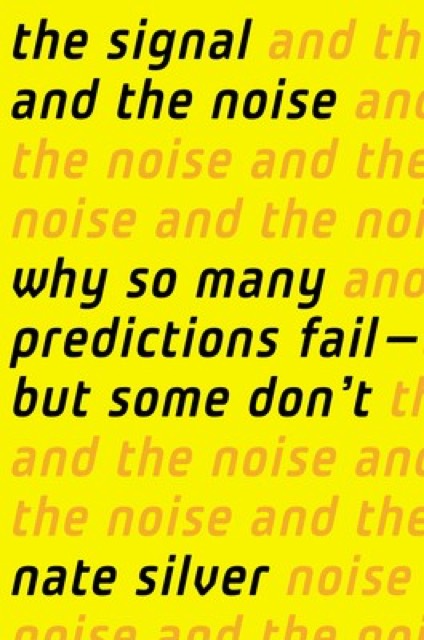
Why most predictions fail, and how the good ones work.
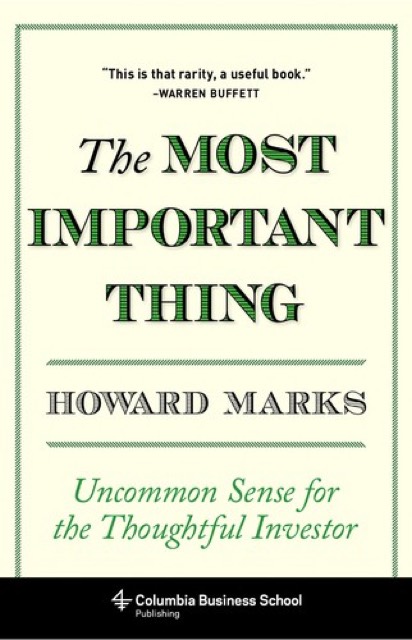
Beat the crowd by thinking one level deeper.
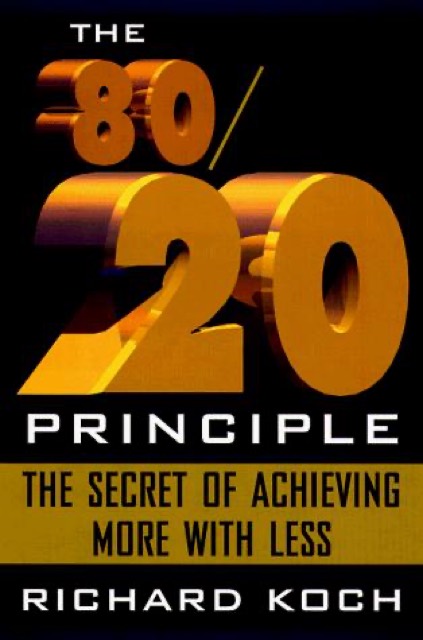
Most of what matters comes from a small, findable few.
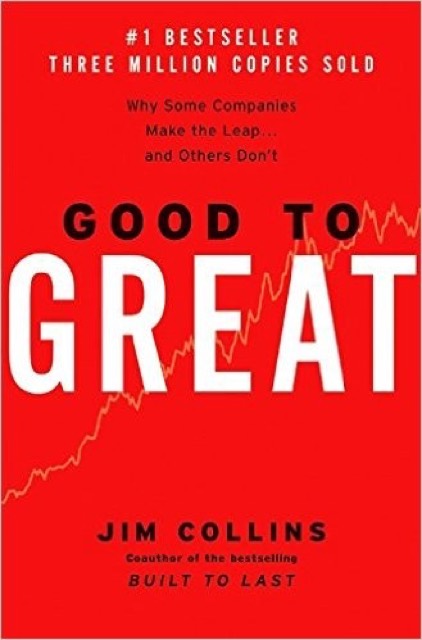
How ordinary companies became exceptional through discipline, not dramatic reinvention.

How cooperation survives among rivals when the future keeps them meeting again.

Why sex evolved, and how it shaped human nature.

The fighter pilot whose OODA loop taught the world to win on tempo.
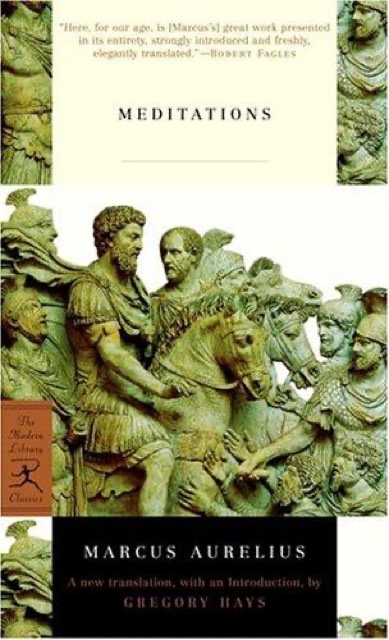
A Roman emperor's private handbook for staying calm and acting well.

The ancient case that yielding, not forcing, is the truest strength.

God is dead; now become who you are.

Jung's own guided introduction to dreams, archetypes, and the unconscious mind.
Plato's blueprint for the just soul, the just city, and true knowledge.

How a café circle turned freedom into a way of living.
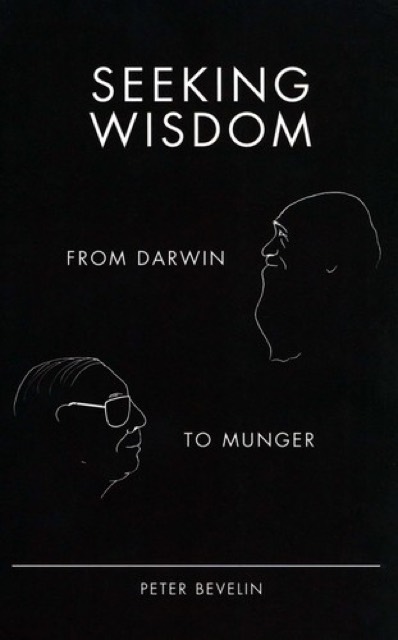
Munger's mental models and the biases that quietly wreck decisions.
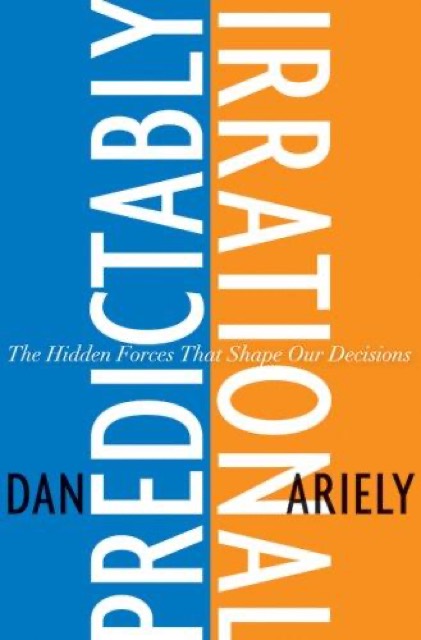
Our irrationality is not random — it is systematic, and therefore exploitable.
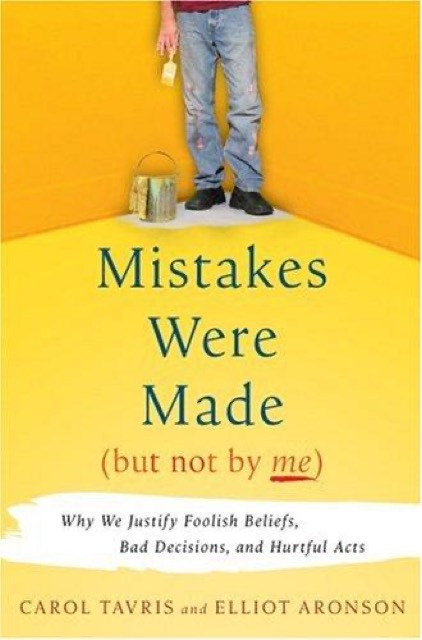
How self-justification turns an honest error into a permanent position.
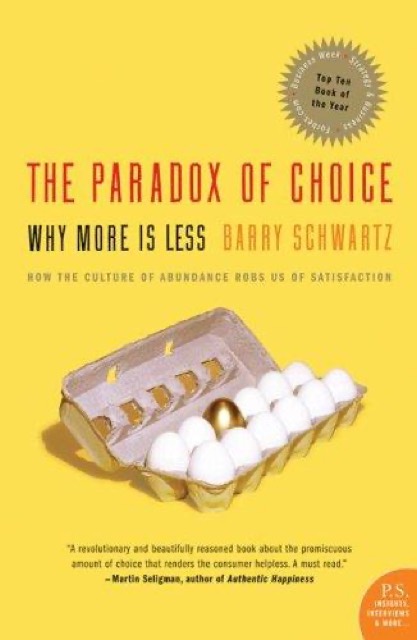
More options can reduce satisfaction, not increase it.
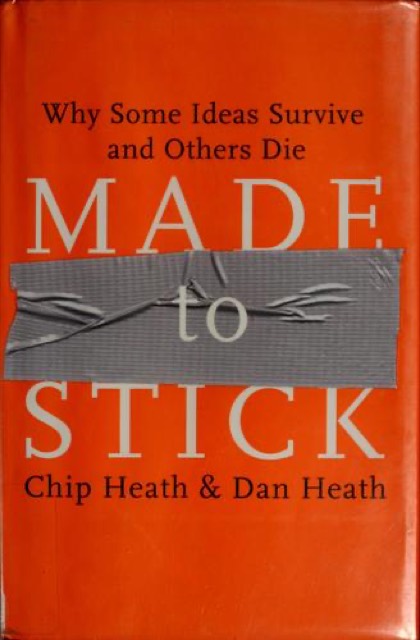
Why some ideas survive retelling and better ones die.
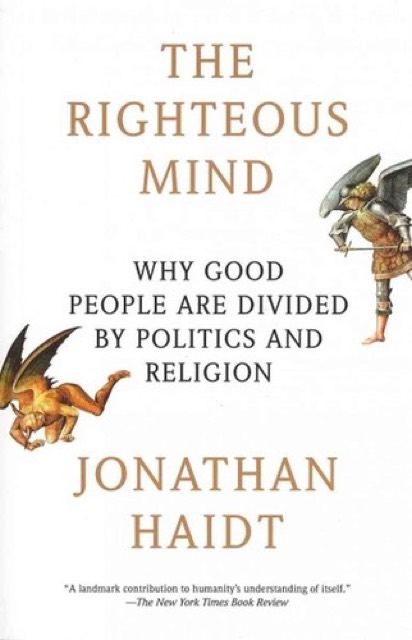
Moral reasoning mostly justifies conclusions intuition already reached.
Judge a policy by all its effects, not the visible ones.
The general-purpose thinking tools, one chapter each.
Most business bestsellers explain performance with performance.
Behaviour comes from structure, not from the people inside it.
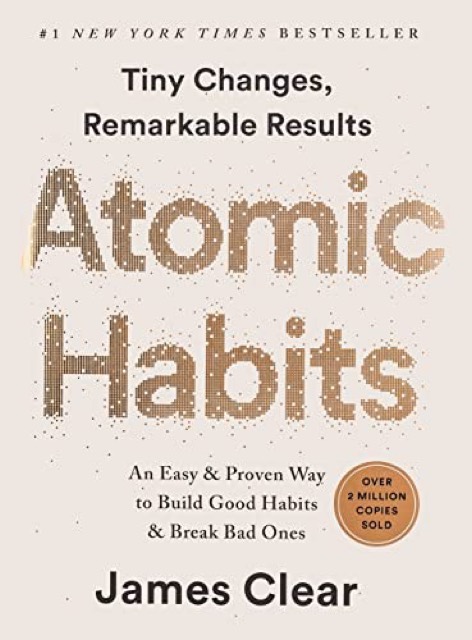
Systems beat goals, and small margins compound.
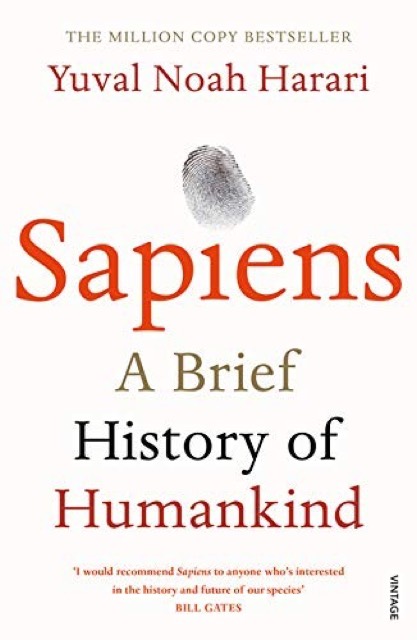
Shared fictions are what let strangers cooperate at scale.
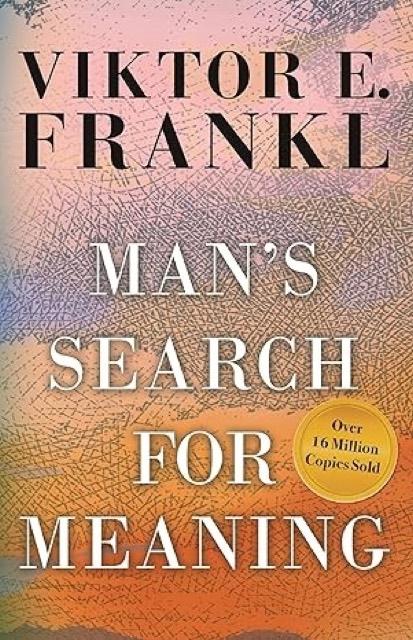
The last freedom is choosing your response to what you cannot change.
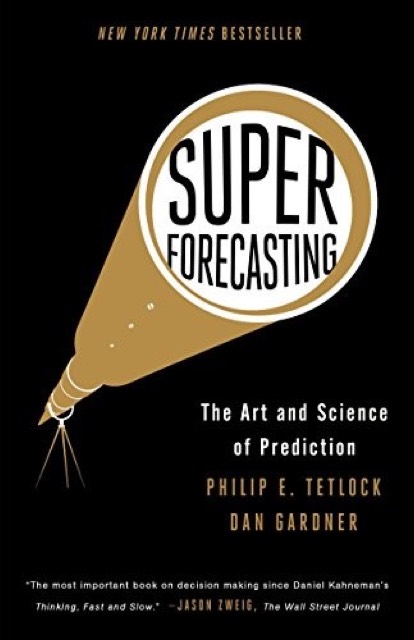
Forecasting is a measurable skill, and pundits mostly lack it.
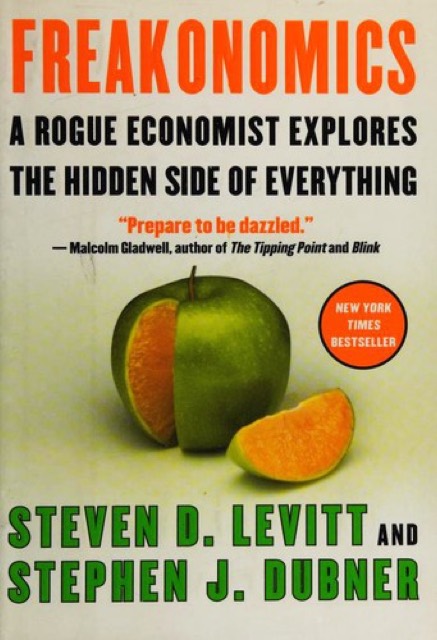
Incentives explain more behaviour than morality does.
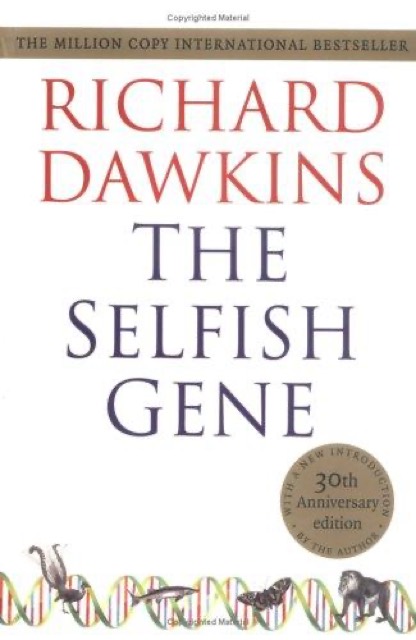
Bodies are vehicles; the gene is what is really being selected.
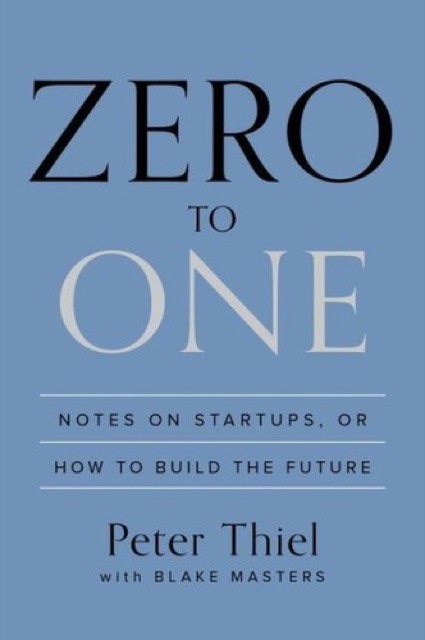
Competition is for losers; the prize is a monopoly nobody else can build.
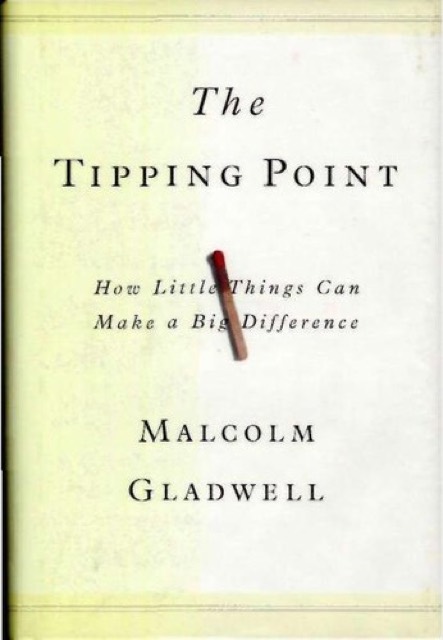
Ideas spread like epidemics — and epidemics turn on a threshold.
Nobody chooses in a vacuum — so someone always designs the choice.
The story of how economics finally admitted people are people.
A system moves exactly as fast as its slowest constraint — and no faster.
Every trick for making numbers say what you want — taught so you can spot them.
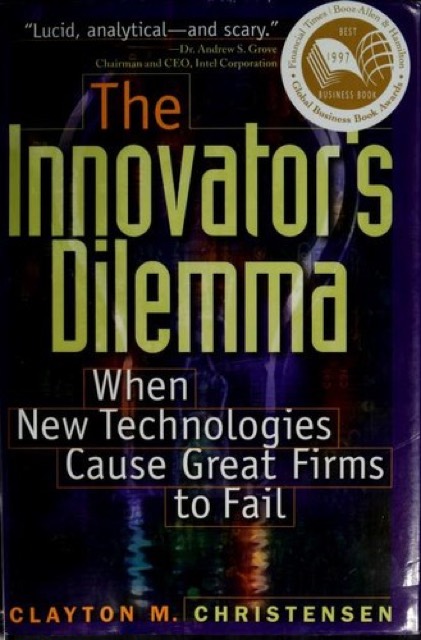
Well-run companies fail precisely because they listen to their best customers.
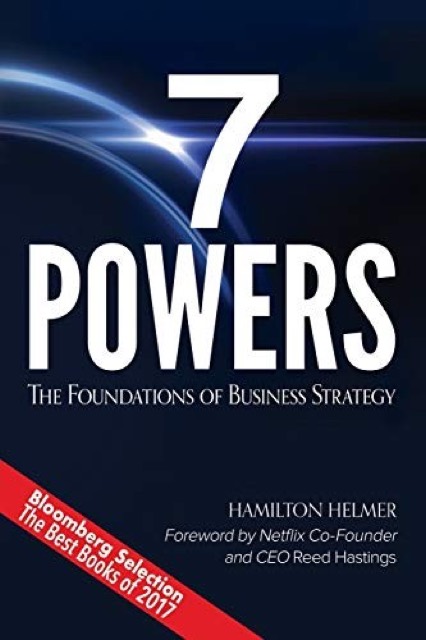
Only seven things make an advantage durable. Everything else is noise.
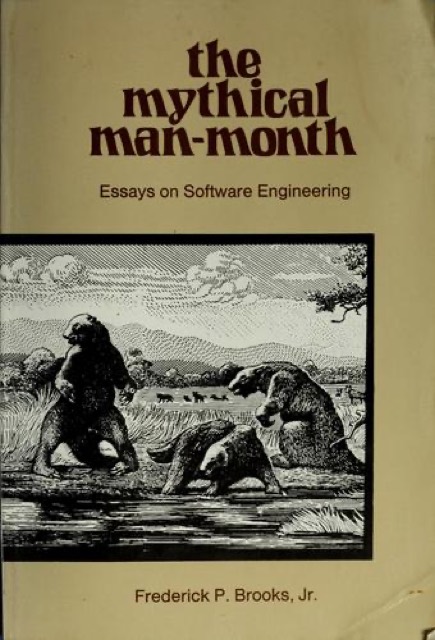
Adding people to a late project makes it later.

Design society without knowing which person in it you will be.
Some things are up to us. Nearly everything that troubles us is not.