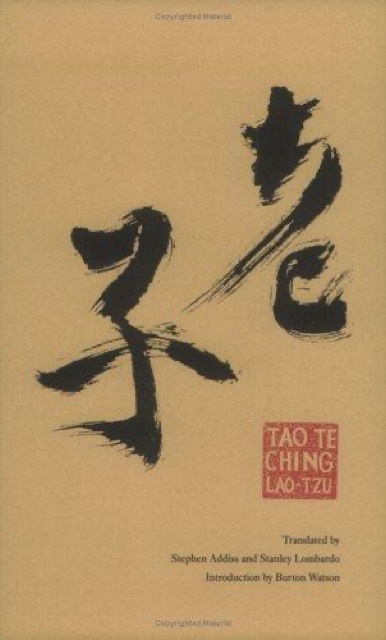
Tao Te Ching
by Lao Tzu
The Tao Te Ching teaches that the deepest power comes from yielding, not forcing: align with the Tao, the nameless order underlying all things, and act through wu wei—effortless action that lets outcomes arise on their own.
What does Tao Te Ching teach?
Compiled in ancient China and attributed to the sage Lao Tzu, this brief collection of eighty-one verses is the founding text of Taoism. Its argument is paradoxical: what appears weak often prevails. Water, soft and formless, wears away stone; the pliant survives while the rigid breaks. The central discipline is wu wei—usually rendered "non-action," though it means acting without strain, in accord with how things naturally move rather than against them. Rulers who govern least govern best; ambition and rigid control defeat themselves. Behind this lies the Tao, the unnamable source that cannot be defined without being falsified. The book resists systematizing on purpose, favoring image and reversal over doctrine. Read it if you want a counterweight to the cult of striving—a case, made twenty-five centuries ago, that restraint is a form of strength.
Which ideas does Tao Te Ching explain?
Read the idea in two minutes, then read the book behind it.
Read or listen to Tao Te Ching
Hear the whole book free: start an Audible trial and your first audiobook — this one, if you like — is on the house.
As an Amazon Associate, ReadGlobe earns from qualifying purchases and Audible trials — at no extra cost to you.