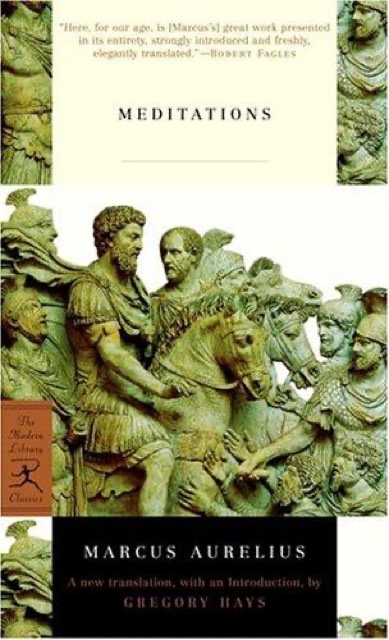
Meditations
by Marcus Aurelius
Meditations is a Roman emperor's private notebook of Stoic self-instruction, arguing that peace comes from governing your own judgments, accepting what you cannot control, and living rationally in a fleeting, indifferent universe.
What does Meditations teach?
Marcus Aurelius wrote these notes to himself, never for publication, while ruling an empire and fighting wars on the Danube. The core discipline is the dichotomy of control: separate what is yours (judgment, intention, response) from what is not (health, reputation, other people, death), and invest only in the former. From that follows amor fati—not merely enduring fate but willing it, treating each event as material for virtue rather than an obstacle to it. Memento mori runs throughout: he rehearses his own death and the brevity of fame to strip anxieties of their weight. The register is grave, repetitive, and unfinished, because it records a mind disciplining itself in real time. It suits anyone seeking a practical ethics of composure under pressure, indifferent to comfort and unafraid of loss.
Which ideas does Meditations explain?
Read the idea in two minutes, then read the book behind it.
Read or listen to Meditations
Hear the whole book free: start an Audible trial and your first audiobook — this one, if you like — is on the house.
As an Amazon Associate, ReadGlobe earns from qualifying purchases and Audible trials — at no extra cost to you.