The best books on habits and compounding
Five books on the arithmetic that makes small consistent actions decisive. Compounding is invisible day to day and overwhelming across years, which is exactly why it is under-used — the feedback arrives long after the behaviour that produced it.
Listen to any of these free. Start an Audible trial and your first audiobook — any book on this list — is on the house.
- 1

Atomic Habits
James ClearStart here for the operational layer. Clear's argument is that goals are shared by winners and losers alike, so the system is what differs — make the cue obvious, the act attractive, the process easy, the result satisfying. The mechanics are environmental rather than motivational, and the 1% framing is the whole book in one line: invisible daily, enormous annually.
- 2
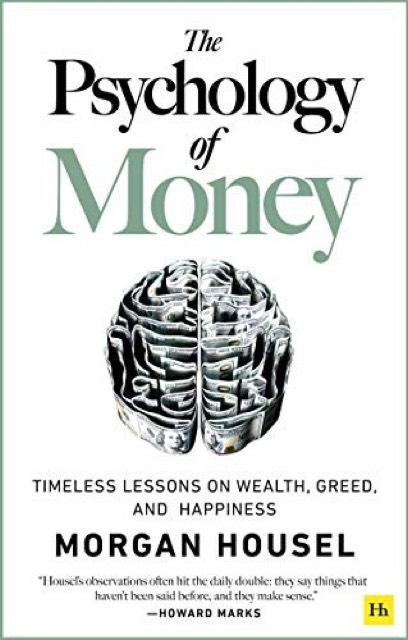
The Psychology of Money
Morgan HouselSecond, because money is where compounding is most visible and most squandered. Housel's point is that doing well with money is behavioural rather than technical: the person who earns an ordinary return for forty years beats the brilliant one who interrupts it. Read it for the argument that endurance, not intelligence, is the scarce input.
- 3
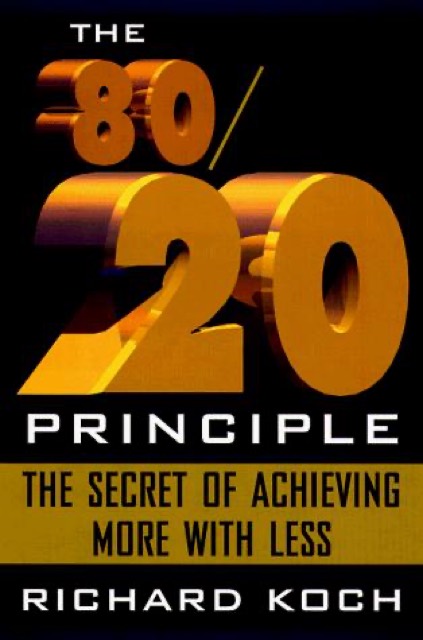
The 80/20 Principle
Richard KochThird, for where to point the compounding. Koch's observation is that inputs and outputs are almost never evenly matched — a minority of effort produces the majority of result. Consistency applied to the wrong activity compounds too, in the wrong direction, which makes identifying the vital few the prerequisite rather than an optimisation.
- 4
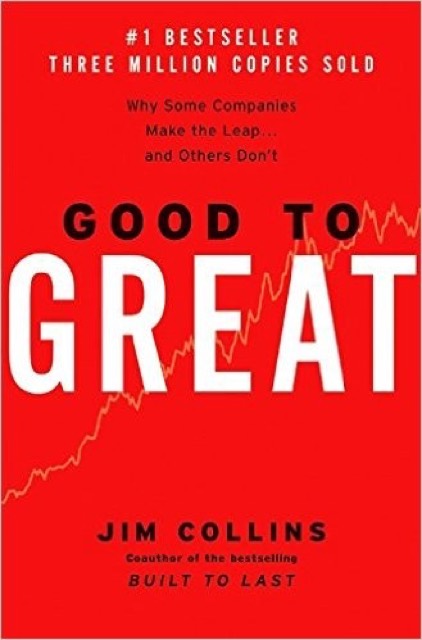
Good to Great
Jim CollinsFourth, for the organisational version. Collins's flywheel is compounding with more moving parts: no single decisive push, just consistent force in one direction until the accumulated momentum looks, from outside, like a breakthrough. Read alongside The Halo Effect, which argues persuasively that studies of this kind measure success as much as they explain it.
- 5
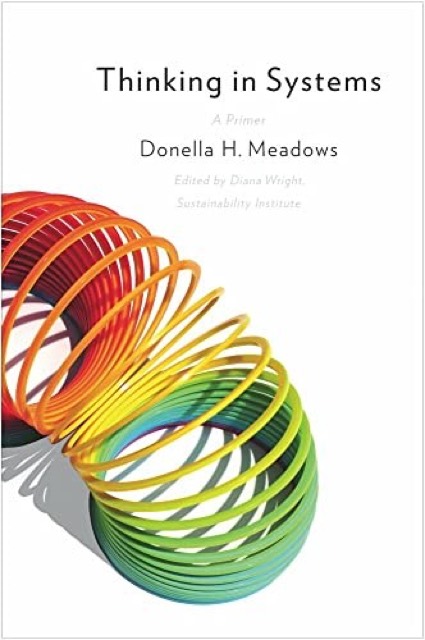
Thinking in Systems
Donella MeadowsFinish with the general case. Meadows names what the other four describe: the reinforcing feedback loop, where the output of a process becomes its own input. Once you can see reinforcing and balancing loops, compounding stops being a finance metaphor and becomes the default behaviour of any system with memory — including a habit.
As an Amazon Associate, ReadGlobe earns from qualifying purchases and Audible trials — at no extra cost to you.