The best books on mental models
Five books that build a working toolkit for clearer thinking, moving from the mind's built-in errors to the multi-disciplinary frameworks that correct them. Read in order, they take you from why judgment fails to how a handful of durable models compound into better decisions.
Listen to any of these free. Start an Audible trial and your first audiobook — any book on this list — is on the house.
- 1
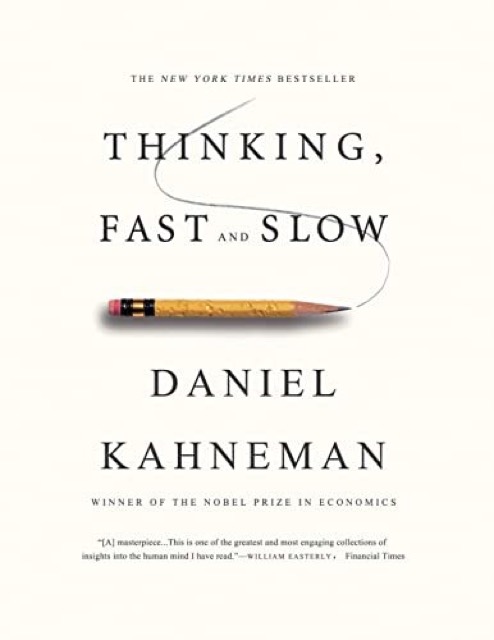
Thinking, Fast and Slow
Daniel KahnemanThe Nobel laureate's summation of a career mapping how the mind actually decides. Kahneman splits cognition into a fast, intuitive System 1 and a slow, effortful System 2, then catalogs the biases—anchoring, availability, loss aversion, framing—that follow. It is the diagnostic groundwork: you cannot correct errors you cannot name, and this names them.
- 2
The Black Swan
Nassim Nicholas TalebTaleb attacks a specific blind spot Kahneman documents: our appetite for tidy stories. He argues that rare, high-impact events shape history far more than the predictable ones we model, and that survivorship bias and the narrative fallacy hide this from us. A bracing case for respecting uncertainty rather than explaining it away.
- 3
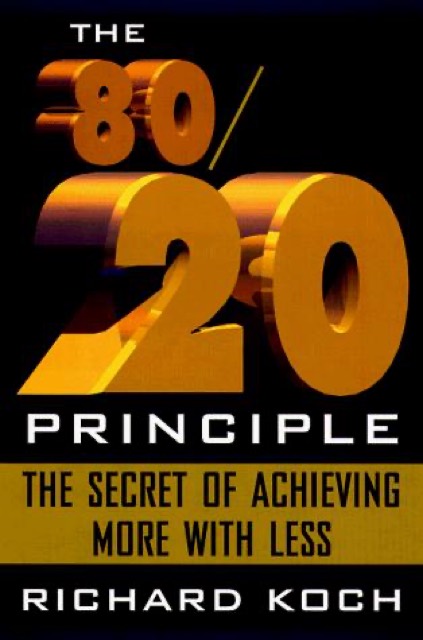
The 80/20 Principle
Richard KochA single model examined to its limits: most results flow from a small fraction of causes. Koch traces the Pareto principle through business, time, and life, making a practical argument about leverage and focus. The narrowest book here, and a useful demonstration that one well-understood model, applied relentlessly, changes how you allocate effort.
- 4
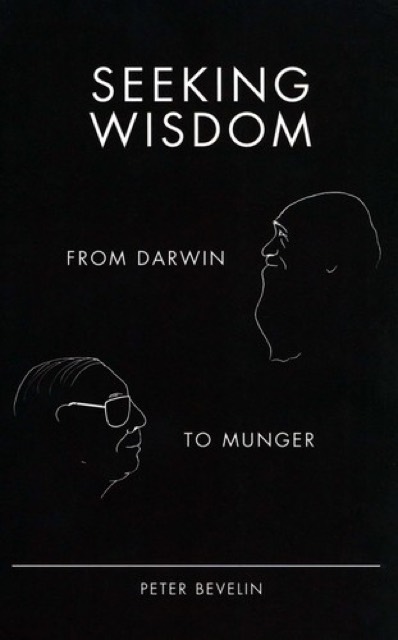
Seeking Wisdom: From Darwin to Munger
Peter BevelinBevelin distills Charlie Munger's approach into a systematic study of why humans misjudge, drawing on Darwin, physics, and psychology. It organizes the scattered biases from earlier reading into causes and countermeasures, with inversion as the recurring tool. The bridge from knowing individual errors to building the connected framework Munger championed.
- 5
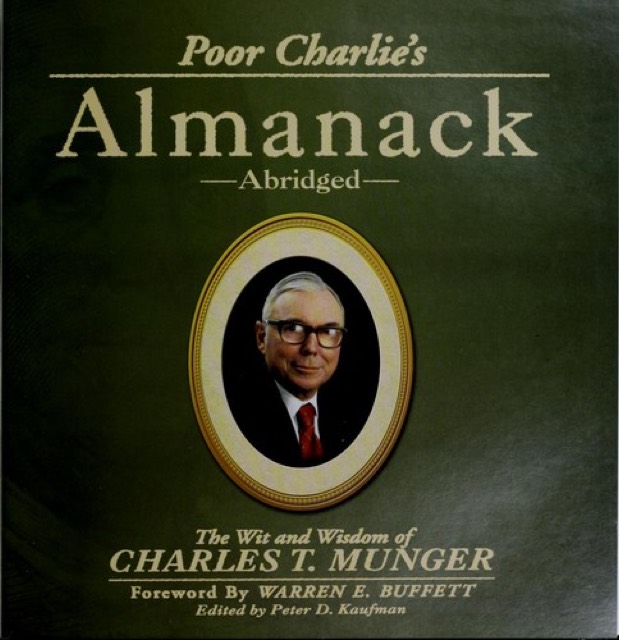
Poor Charlie's Almanack
Charlie MungerMunger's own speeches and writings, collected. His central claim gives this list its spine: worldly wisdom comes from a "latticework" of models borrowed across disciplines, not one field's tools alone. Inversion, circle of competence, and the power of incentives recur throughout. The capstone—where the scattered ideas of the earlier books cohere into a method.
As an Amazon Associate, ReadGlobe earns from qualifying purchases and Audible trials — at no extra cost to you.