The best books on risk, luck and uncertainty
A five-book path through randomness, luck, and risk. It moves from recognizing how chance disguises itself as skill, to acting well under uncertainty, to forecasting honestly, to building systems that gain from disorder. The through-line: outcomes and decisions are different things, and the confusion between them is expensive.
Listen to any of these free. Start an Audible trial and your first audiobook — any book on this list — is on the house.
- 1
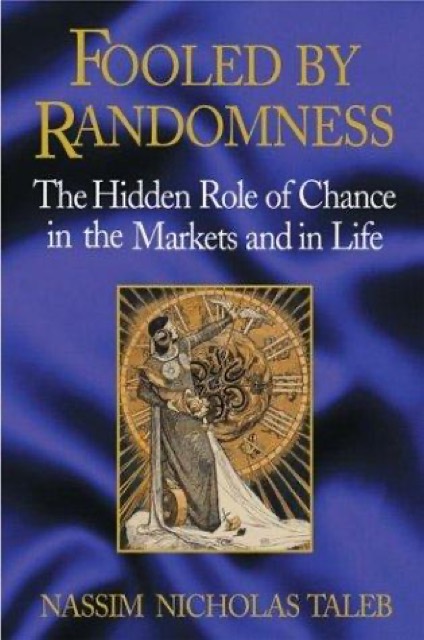
Fooled by Randomness
Nassim Nicholas TalebStart here. Taleb's first book on chance is the least technical and the most disarming: markets, careers, and reputations, he argues, are riddled with luck we mistake for talent. Survivorship bias hides the losers; the winner credits skill. It establishes the core distinction—outcome versus process—that the rest of this list builds on.
- 2
The Black Swan
Nassim Nicholas TalebTaleb's central work, and the reason the phrase entered common speech. A Black Swan is a rare, high-impact event that looks obvious only in hindsight, explained away by the narrative fallacy. Where Fooled by Randomness questions luck, this questions prediction itself, and the 'fat tails' that make history lurch rather than average out.
- 3
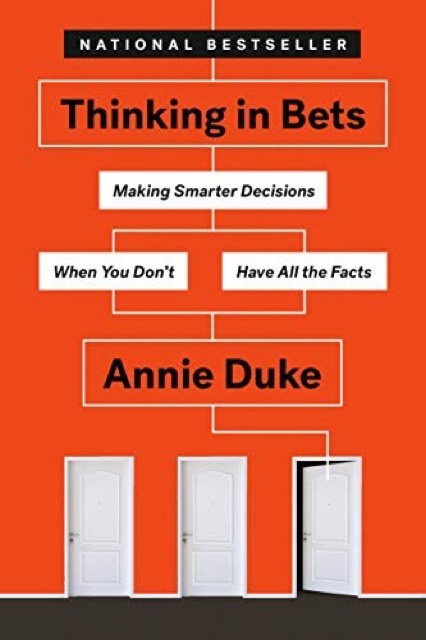
Thinking in Bets
Annie DukeA shift from why we misjudge chance to how to decide despite it. Duke, a former professional poker player, reframes choices as bets under uncertainty and names 'resulting'—judging a decision by its outcome rather than its logic. Practical and clear, it turns Taleb's diagnosis into a working method for thinking in probabilities and expected value.
- 4
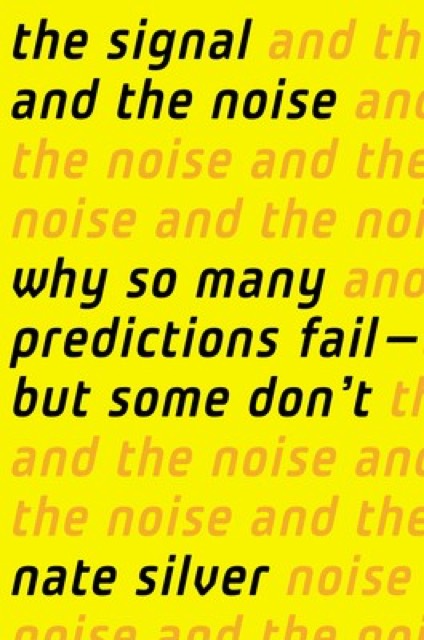
The Signal and the Noise
Nate SilverSilver examines who forecasts well and who only sounds confident, across weather, elections, poker, and disease. His answer is Bayesian: update beliefs as evidence arrives, and separate genuine signal from seductive noise. It pairs with Duke on the discipline of calibration, and answers the prediction problem Taleb raises with rigor instead of resignation.
- 5
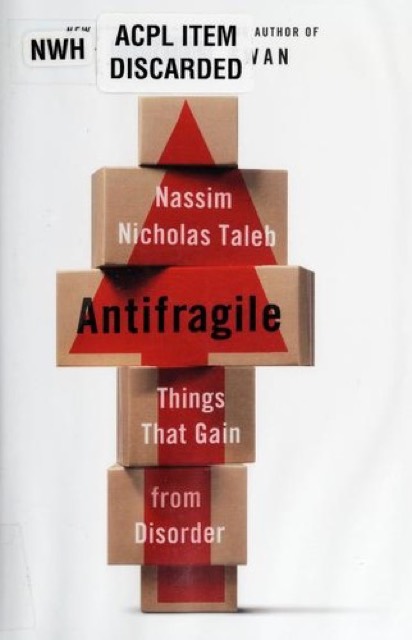
Antifragile
Nassim Nicholas TalebThe capstone, and Taleb's most ambitious. Beyond merely surviving disorder, he asks what actually benefits from it—coining 'antifragile' for systems that strengthen under stress. The tools are asymmetric: optionality, the subtractive wisdom of via negativa, and the Lindy effect. Where the earlier books teach you to see uncertainty clearly, this one argues you should court it.
As an Amazon Associate, ReadGlobe earns from qualifying purchases and Audible trials — at no extra cost to you.