The best books on incentives
Five books on the most reliable predictor of behaviour. Not what people say they value — what the arrangement in front of them actually rewards, what it quietly punishes, and why so many well-designed rules produce precisely the outcome they were written to prevent.
Listen to any of these free. Start an Audible trial and your first audiobook — any book on this list — is on the house.
- 1
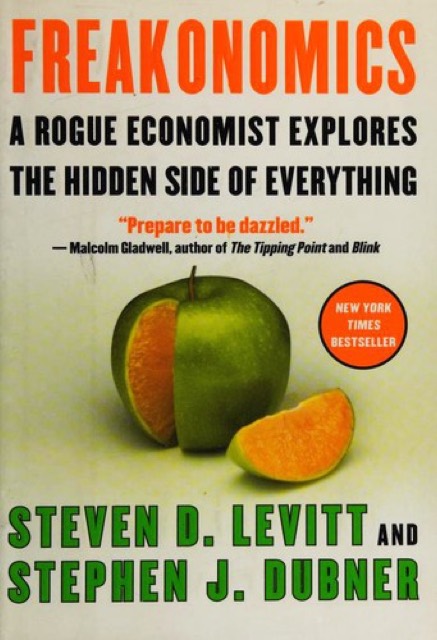
Freakonomics
Steven Levitt & Stephen DubnerStart here, because it makes the habit fun before it makes it rigorous. Levitt applies economic identification to questions economics normally ignores — teachers whose pay depends on test scores, estate agents selling their own houses — and the pattern is consistent: people respond to the incentive actually in front of them, not the one the rule intended. Some claims have been contested since; the method has not.
- 2
Economics in One Lesson
Henry HazlittSecond, for the principle underneath. Hazlitt's one lesson is to trace an act's consequences to every group and over the long run, not just to the visible beneficiary this quarter. The broken window makes it concrete: the glazier is paid, and the suit the baker never bought is simply absent from the ledger. Polemical as economics, unmatched as training.
- 3
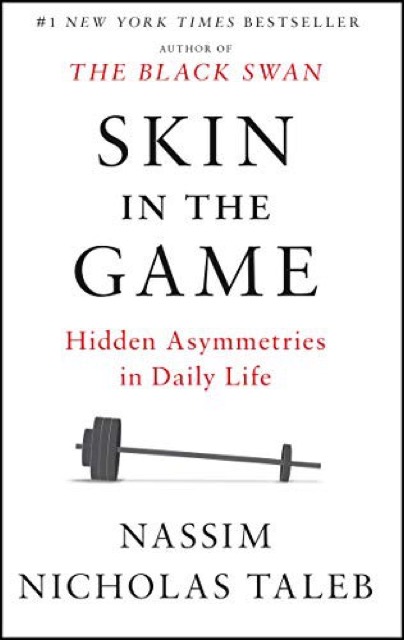
Skin in the Game
Nassim Nicholas TalebThird, for the test that cuts through all of it. Taleb's filter ignores what someone argues and asks what they lose if they are wrong. Advice from people with no downside is not advice; it is exposure transferred to you. This is the chapter that converts incentive-spotting from an analytical exercise into a personal defence.
- 4
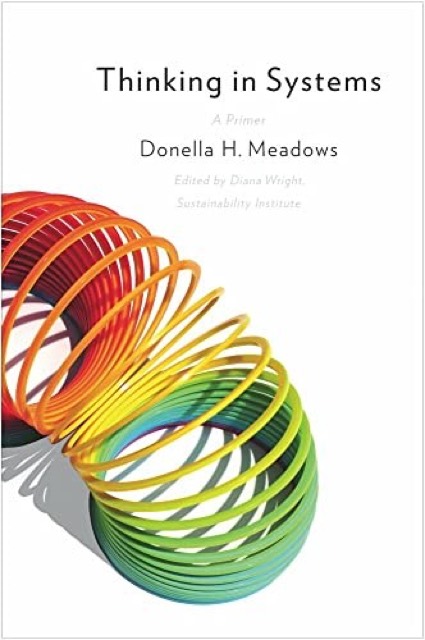
Thinking in Systems
Donella MeadowsFourth, because incentives live inside structures. Meadows shows why replacing the people rarely changes the outcome: the behaviour follows from stocks, flows and feedback. Her system traps — policy resistance, the commons, drift to low performance, success to the successful — are the recurring shapes an incentive problem takes once more than two parties are involved.
- 5
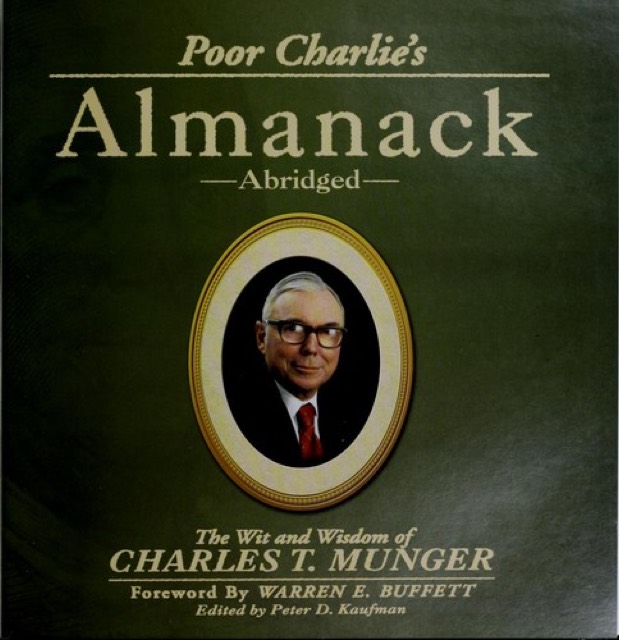
Poor Charlie's Almanack
Charlie MungerFinish with Munger, who states it as a rule and then spends a career applying it: show me the incentive and I will show you the outcome. His catalogue of misjudgment puts incentive-caused bias first because it distorts everything downstream — including, he insists, your own reasoning about your own compensation.
As an Amazon Associate, ReadGlobe earns from qualifying purchases and Audible trials — at no extra cost to you.