Authority bias
Authority bias is the tendency to over-trust and obey an authority figure regardless of the content of what they say. A title, uniform, or credential can override our own judgement — even when the authority is wrong or speaking outside their field.
Why does authority bias happen?
Deferring to authority is usually an efficient shortcut (experts often are right) and is socially reinforced from childhood. But the heuristic misfires when the "authority" is irrelevant, mistaken, or merely confident.
It's most dangerous where expertise is real but narrow — a brilliant surgeon on vaccines.
What does authority bias look like in real life?
- Patients following an obviously wrong instruction because "the doctor said so."
- Milgram’s experiments: ordinary people delivering apparent shocks because an experimenter told them to.
- Trusting a celebrity or CEO’s opinion far outside their expertise.
How do you counter authority bias?
- Separate the claim from the credential — judge the argument, not the title.
- Ask whether the authority is actually expert in this specific question.
- Invite dissent explicitly, especially in hierarchies where people defer.
The deeper point
It’s most dangerous precisely where expertise is real but narrow — a brilliant surgeon on vaccines, a famous physicist on economics. Genuine authority in one domain quietly licenses bad judgement in another.
Frequently asked
- What is authority bias?
- The tendency to over-trust and obey authority figures regardless of whether they’re right — letting a title, uniform, or credential override our own judgement.
- What did the Milgram experiment show about authority bias?
- That ordinary people would follow an experimenter’s instructions to deliver what they believed were dangerous shocks — a stark demonstration of how readily we defer to perceived authority.
- How do you counter authority bias?
- Judge the argument rather than the title, check whether the authority is expert in this specific question, and actively invite dissent in hierarchical settings.
Compared side by side
Keep reading
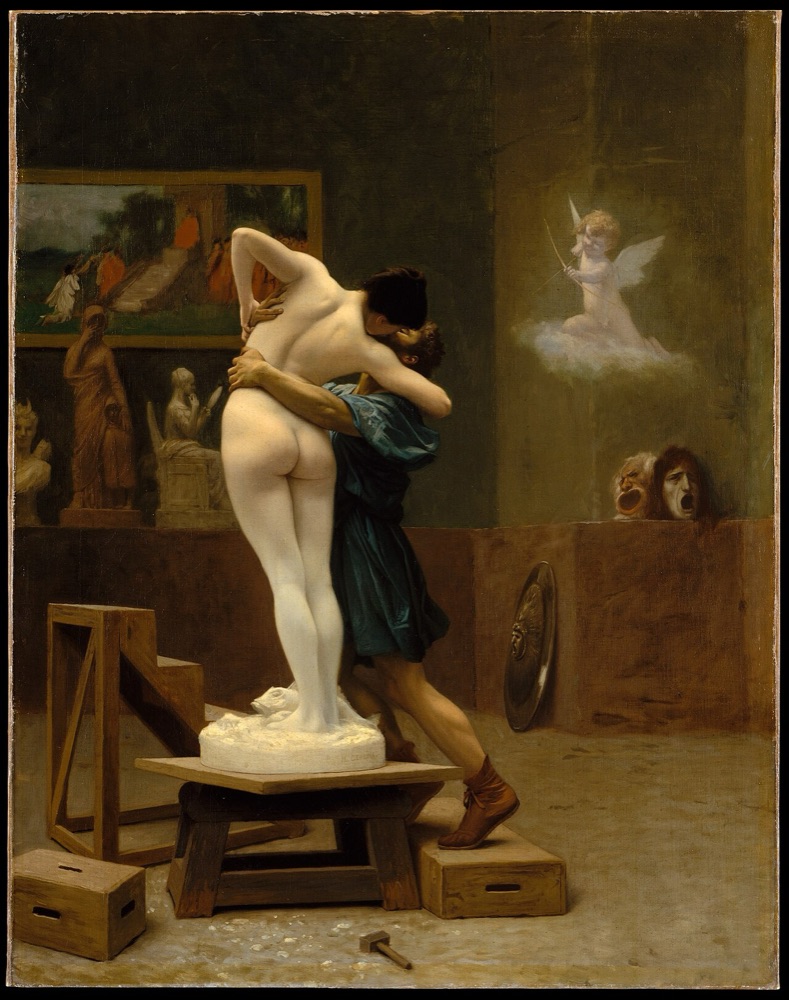
Pygmalion effect
Tell a teacher a random student is gifted, and by year's end the label starts coming true.
See this alongside the other thinking tools of leadership & managing people.
This bias distorts meetings.
Go deeper
Affiliate links. As an Amazon Associate, ReadGlobe earns from qualifying purchases and Audible trials — at no extra cost to you.
The book behind this idea: Influence by Robert Cialdini. Hear the whole thing free — start an Audible trial and your first audiobook is on the house.
Read the full summary of Influence →
More canonical picks:
- Thinking, Fast and Slow — Daniel Kahneman
- The Art of Thinking Clearly — Rolf Dobelli
- The Great Mental Models, Volume 1 — Shane Parrish
- Poor Charlie’s Almanack — Charlie Munger
- Super Thinking — Gabriel Weinberg & Lauren McCann
- Seeking Wisdom — Peter Bevelin
Cite this page
ReadGlobe. (2026). Authority bias. https://readglobe.com/bias/authority-bias/
"Authority bias." ReadGlobe, 29 May 2026, readglobe.com/bias/authority-bias/.
Primary source: Wikipedia
Editorial synthesis © ReadGlobe 2026, drawing on Kahneman’s Thinking, Fast and Slow, the Tversky–Kahneman research program, and the primary cognitive-science literature. · Last reviewed 2026-05-29.