Mental models for leadership & managing people
The most useful mental models for leadership and managing people govern incentives, consequences, and human judgment — incentives, second-order thinking, the Peter principle, Goodhart's law, and skin in the game. They help you predict how people really behave, design fair systems, and sidestep the biases that quietly erode a team's trust and performance.
The load-bearing ideas: Incentives, Second-order thinking, The Peter principle, Goodhart's law, Fundamental attribution error.
Where to start, by situation
In your first months the traps are moving too fast and misreading people. Understand a team's existing rituals before changing them, and check the system before blaming the person.
- Chesterton's fenceStart hereWhen you inherit a team, learn why a process exists before you remove it — it usually solved a problem you can't yet see.
At this altitude your output is entirely what you achieve through others, and your decisions ripple across the whole organization. The work is aligning incentives and reading second- and third-order effects.
- LeverageStart hereYour real output is what you get done through others, so delegation and alignment matter more than your own effort.
Distance strains how many people you can truly know and makes tone carry more weight over text. The expectations you set and who you unconsciously favor decide whether a scattered team coheres.
- Dunbar's numberStart hereDistributed teams push against the ceiling on genuine relationships, so structure has to do the work proximity used to.
The mental models
- Incentives
People do what they're rewarded to do, not what you ask them to do — so a leader's real job is aligning the incentives. If the bonus, promotion path, or recognition rewards the wrong behaviour, no vision statement or pep talk will override it.
- Second-order thinking
Every management decision ripples: a rushed layoff trims this quarter's costs but reshapes the survivors' trust, precedent, and morale for years. Before you act, ask 'and then what?' about how the team and its culture will respond, not just the immediate result.
- The Peter principle
People get promoted for excelling at their current job, so your best engineer becomes a struggling manager — stuck at the level they can no longer do well. Managing well means promoting for the skills the new role actually needs, and building senior tracks that don't force everyone into management.
- Goodhart's law
The moment you turn a measure into a target — tickets closed, calls per hour, lines of code — people optimise the number and the real goal quietly rots. Use metrics to understand your team, but expect any measure to be gamed once it drives rewards.
- Skin in the game
Leaders who share the downside rather than just delegate the risk earn trust and make sharper calls. If you set the plan, own its consequences alongside the team instead of keeping the credit for wins and passing the blame for losses.
- Regression to the mean
An exceptional performance is usually followed by a more ordinary one no matter what you do — which is why praise seems to 'jinx' people and a harsh word after a bad month seems to 'work.' Managers who miss this over-credit their criticism and undervalue their encouragement.
- Dunbar's number
There's a hard cognitive ceiling — roughly 150 — on how many people one person can genuinely know. It's why teams must split, why layers of management emerge, and why a leader simply cannot hold every relationship personally past a certain org size.
- Bottleneck
A team's output is capped by its single tightest constraint, so a leader's highest-leverage move is finding and relieving that one bottleneck rather than spreading effort evenly. And the most common bottleneck is the manager themselves, when every decision has to route through them.
- Leverage
A leader's real output isn't what they do personally but what they get done through others — delegation, hiring, and systems are the long levers that move far more than individual effort. The trap is clinging to the individual-contributor work and refusing to let go of the small stuff.
- The Eisenhower matrix
Sort work by urgent-versus-important: do the urgent-and-important now, schedule the important-but-not-urgent, delegate the urgent-but-unimportant, and drop the rest. Leading people well means pushing that 'delegate' quadrant onto the team instead of drowning in reactive urgency.
- Chesterton's fence
When you inherit a team, don't rip out a process, ritual, or rule until you understand why it exists — the 'pointless' weekly meeting may be the only thing keeping two functions in sync. Ask what the fence was protecting before you tear it down.
Biases that trip up leadership & managing people
- Fundamental attribution error
When a report drops the ball you blame their character — 'careless,' 'not committed' — yet blame the situation when you slip. That double standard poisons feedback and fixes the wrong thing, because the missed deadline was often a broken process, not a broken person.
- Self-serving bias
It's tempting to claim the team's wins as your leadership and pin the losses on the market, the deadline, or a weak hire. Nothing corrodes trust faster than a manager who hoards credit and outsources blame.
- Halo effect
One vivid trait — polish in a meeting, a single big win, sheer confidence — bleeds into your whole read of a person, so you promote the charismatic over the quietly excellent and end up rating the halo instead of the work.
- Authority bias
As the boss, your offhand remark carries weight you don't feel, and people defer to your title rather than pressure-test your idea. The result is unchallenged bad calls — you have to actively invite dissent or your seniority silences the room.
- The curse of knowledge
Once you know how to do the job you can't imagine not knowing it, so your instructions skip steps, your delegation stays vague, and new hires flounder on things that feel 'obvious' to you but were never actually explained.
- Pygmalion effect
The expectations you hold become self-fulfilling: back someone and they rise to it; quietly write them off and your lowered bar drags their performance down. Managers hand out this prophecy constantly without noticing they're doing it.
- In-group bias
You extend trust, the benefit of the doubt, and airtime to 'your people' while eyeing new hires and other teams with suspicion — breeding favouritism, silos, and unfair reviews that the in-group never sees as unfair.
The books behind these ideas
Read the ideas in two minutes here, then read the book that goes deep.

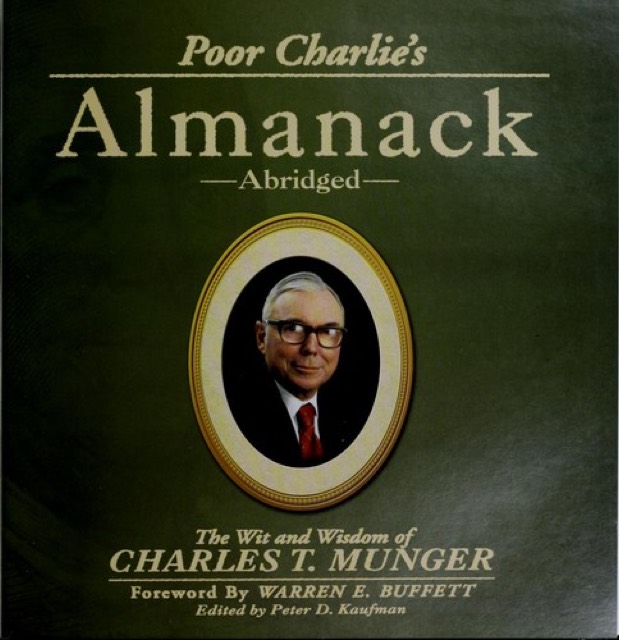
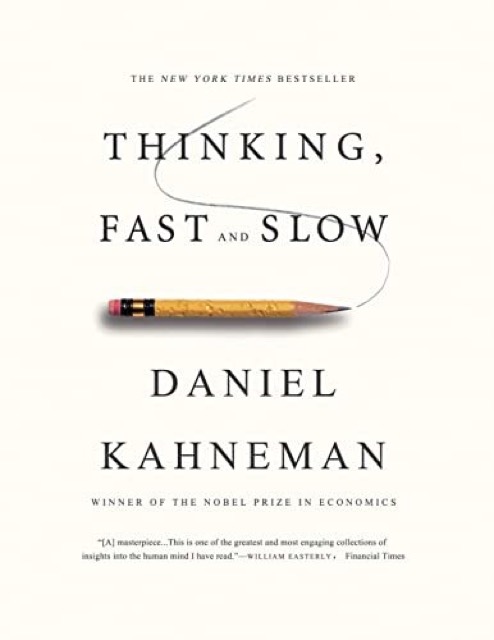

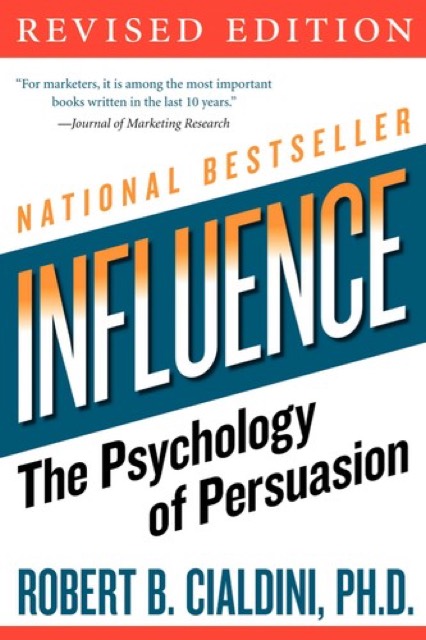
Prefer to listen? Start a free trial and your first audiobook is on the house.
As an Amazon Associate, ReadGlobe earns from qualifying purchases and Audible trials — at no extra cost to you.
Mental models for other work
Editorial synthesis © ReadGlobe. Each idea links to a full reference page with sources. Unlike a generic 'top models' list, this set is built around the two problems unique to leadership — shaping other people's behaviour through incentives and judging them fairly despite bias — pulling in the Peter principle, Goodhart's law, regression to the mean, Dunbar's number, and the Pygmalion effect that a management page needs but an investing or creativity page never would.