Mental models for investing
Mental models for investing are the reasoning tools serious investors use to value assets, weigh probabilities, and avoid ruin — from margin of safety and Mr. Market to expected value and circle of competence. They matter because investing punishes emotion and rewards disciplined, probabilistic thinking over time.
The load-bearing ideas: Margin of safety, Mr. Market, Circle of competence, Compounding, Loss aversion.
Where to start, by situation
Early on, your results are governed by time and temperament far more than by stock selection. The habits you form now matter more than the picks.
- CompoundingStart hereThe earlier you begin, the more the growth does itself — time is the one edge a beginner already holds.
Over decades, the question shifts from what to buy to what will still be earning in twenty years, and whether today's exceptional numbers can last.
- Economic moatStart hereOnly a durable competitive advantage protects the returns you are trying to compound across many years.
When the priority is not losing, a strong average return is beside the point — what counts is that no single outcome can take you out of the game.
- ErgodicityStart hereA great average return is worthless if one bad path wipes you out, so avoid the paths that end the game first.
The mental models
- Margin of safety
Buy an asset only well below your own estimate of its worth, so a flawed thesis, bad luck, or a market drop still leaves you intact. The gap between price and value is the buffer that protects you from being wrong.
- Mr. Market
Treat the market as a manic partner quoting you a price every day — sometimes euphoric, sometimes despairing. His mood is a chance to transact on your terms, never a verdict on what the business is actually worth.
- Circle of competence
Only buy businesses whose economics and risks you genuinely understand, and be honest about where that understanding stops. Most permanent losses come from confident bets placed just outside the boundary.
- Compounding
Reinvested returns earn returns of their own, so wealth accelerates the longer capital stays invested and undisturbed. This is why time in the market — and avoiding unforced errors and needless selling — outweighs any single clever trade.
- Expected value
Judge a position by its probability-weighted range of outcomes, not the single scenario you're hoping for. A wager can lose and still have been correct; a winner can have been reckless — the payoff-weighted odds are what matter.
- Second-order thinking
The obvious first-order read on a stock is already in the price. Edge comes from the second-order question — 'and then what?' — asking how everyone else will react and where the consensus view is wrong.
- Economic moat
A durable competitive advantage — brand, switching costs, scale, network — shields a company's future profits from rivals. Paying up for a wide, lasting moat often beats a cheap business whose returns competitors will erode.
- Inversion
Instead of hunting for the next multibagger, ask first what would guarantee ruin — over-leverage, forced selling, permanent loss, concentration in what you don't understand — and build your process to avoid those failure modes.
- Ergodicity
A bet with a great average return across many people can still ruin you if a single bad path takes your capital to zero, because you only live one path through time. Size positions and avoid leverage so no outcome can permanently end the game.
- Regression to the mean
Exceptional returns — of a fund, a manager, a hot sector — tend to be followed by more ordinary ones as luck evens out. Chasing last year's top performer usually means buying just before it reverts toward average.
- Barbell strategy
Hold a large, very safe core and a small sliver of high-risk, high-upside bets while avoiding the mediocre middle. The safe base caps how much you can lose; the speculative tail keeps you exposed to outsized upside.
- Opportunity cost
Every position is chosen over the next-best use of that capital, so its true cost is the return you forgo elsewhere. A holding isn't 'free' just because it's up — keep it only if it still beats your best available alternative.
Biases that trip up investing
- Loss aversion
Because a loss stings about twice as much as an equal gain feels good, investors sell winners too early to bank the gain and cling to losers to avoid crystallising the pain — then panic-sell at the very bottom of a drawdown.
- Sunk-cost fallacy
You keep — or even average down on — a losing position because of what you've already put in, not what it will return from here. The price you paid is irrelevant to whether it's a buy today.
- Recency bias
A recent bull run makes further gains feel inevitable and a crash makes recovery feel impossible, so you buy high after rallies and sell low after falls — the exact opposite of the plan.
- Anchoring bias
You anchor to your purchase price or a stock's all-time high — 'I'll sell once it gets back to what I paid' — letting an arbitrary past number, rather than present value, decide whether to hold or fold.
- Overconfidence effect
Overrating the accuracy of your own forecasts drives overtrading, oversized concentrated bets, and mistaking a rising market for personal skill — the gap between certainty and correctness is where capital quietly bleeds away.
- Confirmation bias
Once you own a position you seek out only the bullish takes and explain away the bad news, so your thesis hardens instead of updating as the facts turn against you.
- Bandwagon effect
Watching everyone pile into a rising asset pulls you into the bubble near the top and, when the mood flips, into capitulating at the bottom — the crowd is most confident exactly when the odds are worst.
The books behind these ideas
Read the ideas in two minutes here, then read the book that goes deep.
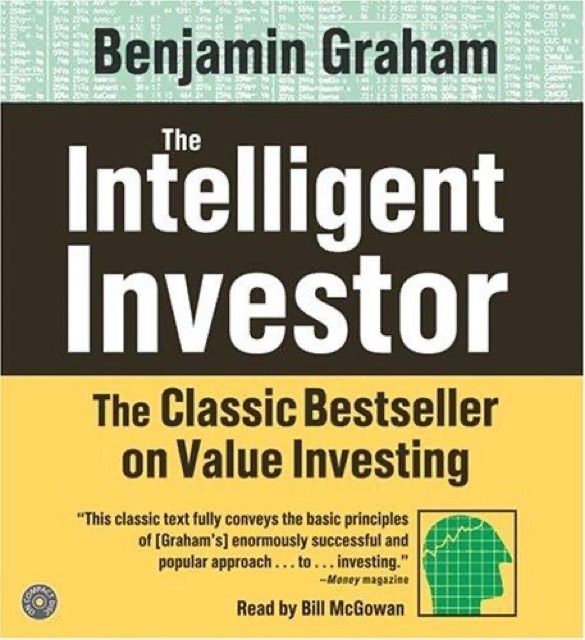
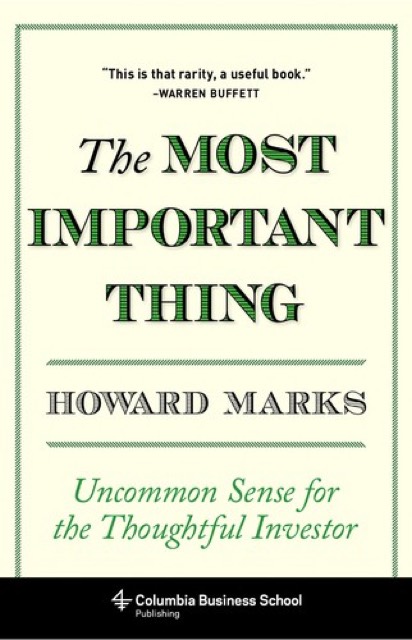
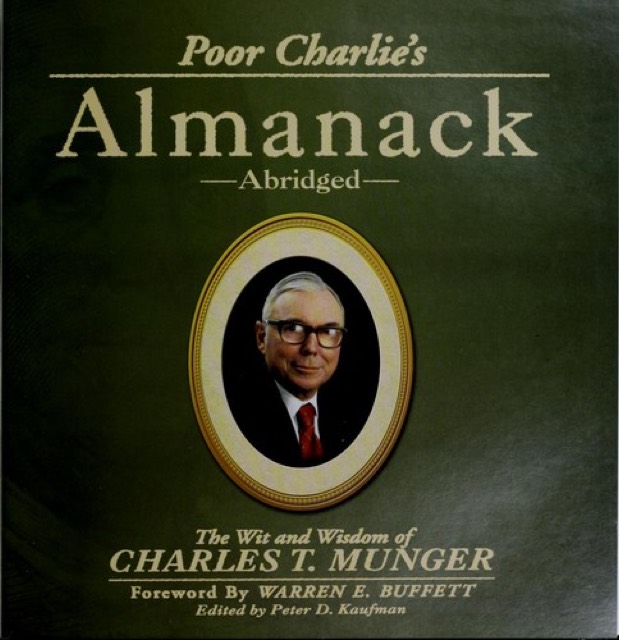
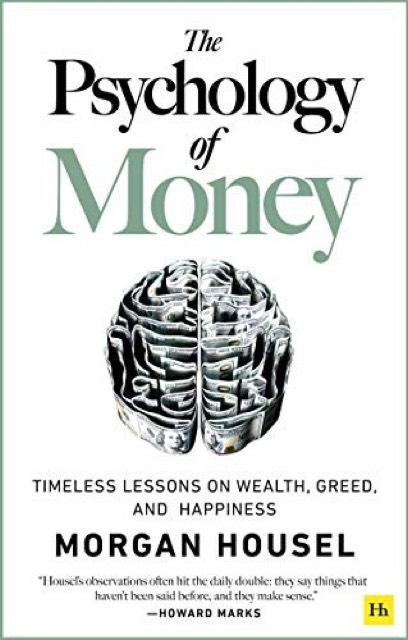
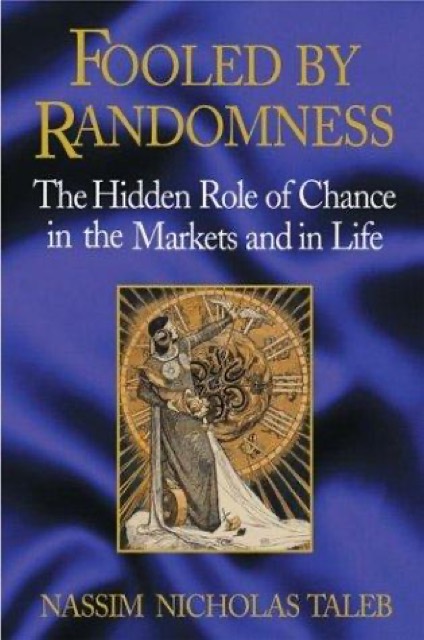
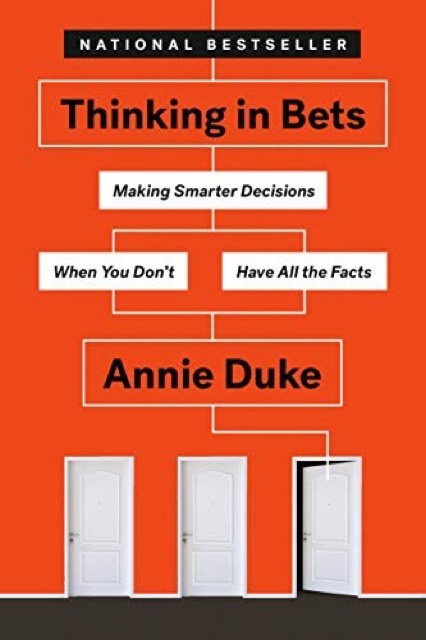
Prefer to listen? Start a free trial and your first audiobook is on the house.
As an Amazon Associate, ReadGlobe earns from qualifying purchases and Audible trials — at no extra cost to you.
Mental models for other work
Editorial synthesis © ReadGlobe. Each idea links to a full reference page with sources. Unlike a generic top-models list, this is the value investor's working toolkit — Graham's margin of safety and Mr. Market, Buffett's moats and circle of competence, Taleb's barbell and ergodicity — paired with the specific biases (loss aversion, recency, anchoring) that bleed real portfolios.