Mental models for negotiation
Mental models for negotiation are thinking tools — like your walk-away alternative, anchoring, and interest-based bargaining — that help you claim and create value under pressure. They matter because good deals turn less on charm than on structure: knowing your options, reading incentives, and framing offers so both sides can say yes.
The load-bearing ideas: Opportunity cost, Game theory, Anchoring, Zero-sum vs positive-sum, Anchoring bias.
Where to start, by situation
Your power here isn't nerve — it's your alternatives and your patience. Know your walk-away, shape the first number, and avoid pushing so hard the other side digs in.
- Opportunity costStart hereYour leverage is your best alternative to the offer — establish it privately before you name any number.
When the numbers are large, the first question is structural: is this a fixed pie you're splitting or one you can enlarge? Everything downstream — moves, threats, concessions — follows from that answer.
- Zero-sum vs positive-sumStart hereDeciding whether the pie is fixed or can be grown changes every tactic that comes after it.
In routine give-and-take, relationships and how things are worded outweigh hard leverage. A small, well-timed concession usually moves more than pressure ever will.
- ReciprocityStart hereIn routine deals a small, well-timed concession creates more goodwill and momentum than any show of leverage.
The mental models
- Opportunity cost
Your real power in any negotiation is your best alternative to this deal — the value of what you'd do if you walked away sets the lowest offer worth accepting. Improve that alternative before you sit down, and every concession the other side makes has to clear it.
- Game theory
Negotiation is a game where your best move depends on what the other side does and theirs depends on you, so you plan not just your opening but their likely response to it. Anticipating their counter — and the counter to that — beats reacting move by move.
- Anchoring
The first number on the table becomes the reference point both sides adjust from, so opening with a defensible figure quietly shapes the whole range the deal settles within. If you let them anchor first, expect their number to drag the outcome toward their side.
- Zero-sum vs positive-sum
The master question is whether you're splitting a fixed pie — their gain is your loss — or one you can grow by trading things each side values differently. Framing a deal as positive-sum, swapping low-cost concessions for high-value ones, turns a standoff over price into a search for joint gains.
- First-principles thinking
Behind every stated position sits an underlying interest — the actual need driving it. Strip a demand back to why they want it and you often find a cheaper way to satisfy it, unlocking trades that fighting over positions would never reveal.
- Incentives
To predict what the other side will really do, read what they're rewarded and punished for, not what they say across the table. Once you see their true incentives — a quota, a boss to please, a deadline — you can shape an offer that lets them win on the terms that actually move them.
- Reciprocity
People feel obliged to return what they're given, so a well-timed concession creates pressure for one back. Make your give-aways deliberate and visible — and name them as concessions — so the other side feels the pull to reciprocate rather than pocketing them for free.
- The framing effect
The same terms land differently depending on how they're described — a discount framed as a saving versus a surcharge avoided, a split framed as what they gain versus what they give up. Present your offer in the frame that makes saying yes feel like protecting something rather than losing it.
- Schelling point
When both sides need to converge but can't fully coordinate, they gravitate to a focal solution that feels natural or fair — a round number, an even split, an industry precedent. Naming a credible focal point gives the other side an easy, face-saving place to meet you.
- Prisoner's dilemma
Each side can gain in the moment by exploiting the other, but if both defect both end up worse than if they'd cooperated. In repeated deals, cooperating first and reciprocating — tit-for-tat — plus a reputation for fair dealing beats squeezing a one-time win.
- Second-order thinking
A hardball win today has consequences down the line — 'and then what?' A tactic that extracts an extra few percent but leaves the counterparty resentful can cost you the renewal, the referral, or their goodwill in the next dispute.
- Margin of safety
Open beyond your true target so that every concession you make still lands above your walk-away point — that gap is your buffer against misreading the other side or the deal shifting mid-talk. Aiming for exactly your minimum leaves no room to give and still come out ahead.
Biases that trip up negotiation
- Anchoring bias
Once the other side names a number, it becomes the gravity well your counter-offers orbit — even an outrageous opening drags your sense of 'reasonable' toward it. Recognize the anchor, set it aside, and re-anchor from your own analysis before you respond.
- Loss aversion
Because a loss stings about twice as much as an equal gain feels good, you can overpay just to avoid the sting of walking away or the fear that this is your only shot. That dread of losing the deal is exactly what a skilled counterpart plays on.
- Sunk-cost fallacy
The hours and effort already poured into a negotiation pull you toward accepting terms you'd reject fresh — 'we've come too far to quit now.' What you've spent getting here is gone regardless; judge the deal only by what it offers from this point forward.
- Reactance
Push too hard — an ultimatum, a take-it-or-leave-it — and the other side digs in and refuses out of sheer resistance to being cornered, even when the offer is good. The same reflex works on you: watch for deals you're rejecting mainly because you feel pressured.
- Fundamental attribution error
When the other side plays tough, you read it as bad character rather than the constraints they're under — a budget, a boss, a policy — so you retaliate instead of solving the real problem. Assume constraint before malice and you keep the door to a deal open.
- Endowment effect
Each side overvalues what it already owns and must give up, so a seller's asking price and a buyer's top bid can sit stubbornly apart on the very same item. Naming that gap — and reframing what each side is really trading — is often what closes it.
- Overconfidence effect
Overrating your leverage and your read of the other side's walk-away point leads you to open too aggressively or reject a genuinely fair deal. Stress-test your position — what if you're wrong about their alternatives? — before you plant your flag.
The books behind these ideas
Read the ideas in two minutes here, then read the book that goes deep.

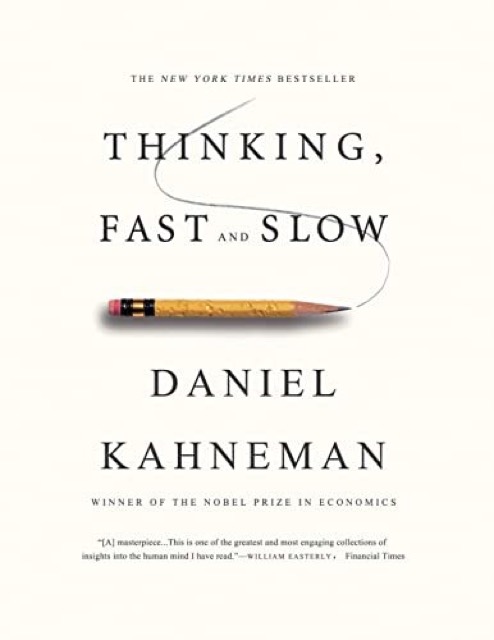

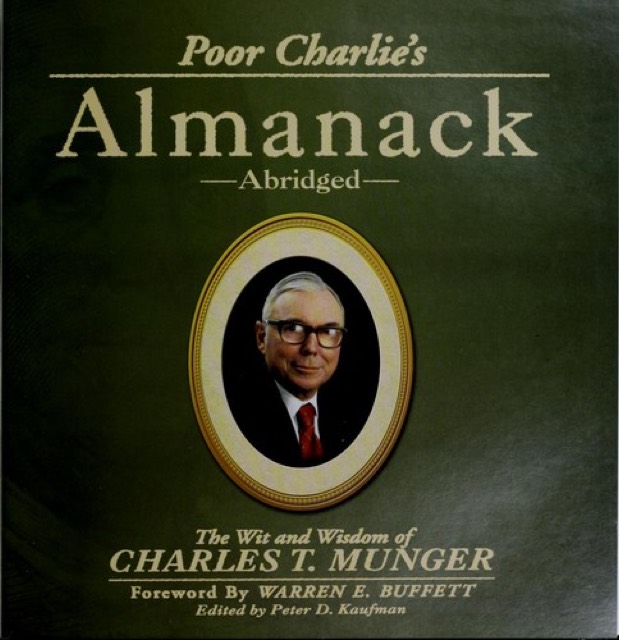
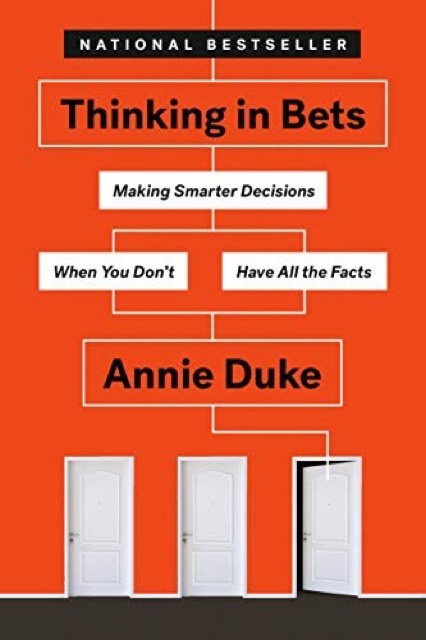
Prefer to listen? Start a free trial and your first audiobook is on the house.
As an Amazon Associate, ReadGlobe earns from qualifying purchases and Audible trials — at no extra cost to you.
Mental models for other work
Editorial synthesis © ReadGlobe. Each idea links to a full reference page with sources. Unlike a generic 'top models' list, this set is the dealmaker's toolkit — your walk-away alternative, first-mover anchoring, distributive-versus-integrative framing, reciprocal concessions, and Schelling focal points — the strategic-interaction models that only bite when a counterparty is sitting across the table.