Mental models for hiring
Mental models for hiring are the reasoning tools that separate a real signal from an impressive-sounding interview — base rates, regression to the mean, signal vs. noise — and expose the biases (halo, confirmation, in-group) that make interviewers hire people like themselves. They matter because hiring is a high-variance, low-feedback bet where gut feel is usually wrong.
The load-bearing ideas: Signal vs noise, Base-rate neglect, Regression to the mean, Expected value, Halo effect.
Where to start, by situation
An empty seat feels expensive, tempting a fast hire — but the true cost of the wrong first person, and the culture they set, dwarfs it. Treat it as a high-variance bet, and beware hiring a clone.
- Opportunity costStart hereThe cost of the wrong first hire — in money, time, and culture — far exceeds the open role.
Scaling breaks what worked at small size: gut-hiring stops scaling, promoting your best contributor can lose a great one, and any metric you optimize eventually gets gamed.
- Dunbar's numberStart herePast roughly 150 people, informal trust-based hiring stops working and needs real structure.
Fairer hiring means fighting the halo of one impressive trait, the hunt for evidence that confirms a first impression, and the overrating of a short interview. Anchor on real signal — work samples, references.
- Halo effectStart hereOne impressive trait casts a warm glow over everything else, quietly distorting the whole evaluation.
The mental models
- Signal vs noise
A résumé and a 45-minute interview are mostly noise; the few real signals — a work sample, a reference who will speak candidly, a genuine track record — predict far more than charisma. Design the process to amplify signal and discount polish.
- Base-rate neglect
A candidate who interviews brilliantly still faces the base rate: most hires into this role work out about as often as the last ten did. Weight the base rate of the role and the source, not just the vivid impression in the room.
- Regression to the mean
The candidate who dazzled in one session will, on average, be more ordinary on the job — a peak performance regresses. Don't extrapolate a single great (or terrible) interview into a whole career.
- Expected value
A hire is a probabilistic bet: weigh the range of outcomes — great fit, mediocre, costly miss — not the best case you're hoping for. A structured process raises the odds; a rushed one just raises the variance.
- Second-order thinking
The first-order question is 'can they do the job?'; the second-order one is 'what does this hire do to the team, the bar, and who applies next?' A brilliant jerk clears the first test and fails the second.
- Opportunity cost
An open role feels expensive, tempting a mediocre hire to stop the bleeding — but the true cost of the wrong person (ramp, backfill, the damage done) usually dwarfs the cost of waiting for the right one.
- The Peter principle
Promoting your best individual contributor into management can lose you a great engineer and gain a poor manager — the skills don't transfer. Hire and promote for the job being done, not as a reward for the last one.
- Dunbar's number
Past ~150 people the informal trust that let you hire on gut and vibe stops scaling — you need structured criteria and process. Match the rigour of your hiring to the size the org has actually reached.
- Goodhart's law
The moment a hiring metric — years of experience, a degree, a coding-test score — becomes the target, candidates optimise for it and it stops measuring what you cared about. Use metrics as evidence, never as the gate.
Biases that trip up hiring
- Halo effect
One impressive trait — a prestigious employer, a confident manner, a shared alma mater — casts a warm glow over everything else, so a strong first impression quietly inflates every later judgement of the same candidate.
- Confirmation bias
Once you like a candidate the interview becomes a hunt for reasons to hire them — softer questions, red flags explained away — instead of a genuine test that could change your mind.
- In-group bias
You instinctively trust the candidate who feels like 'one of us' — same background, school, or manner — mistaking familiarity for merit and quietly narrowing the team to a single type of person.
- Fundamental attribution error
You credit a candidate's wins to their character and their setbacks to bad luck (or the reverse for one you've cooled on), when the situation — a great team, a lucky market — often did the heavy lifting.
- Anchoring bias
The first strong candidate, or a stated salary number, sets an anchor every later candidate is judged against — so the order you interview in, not just the merit, shapes who looks best.
- Overconfidence effect
Interviewers vastly overrate how well a short conversation predicts on-the-job performance; the confidence that 'I can just tell' is exactly where the most expensive hiring mistakes come from.
- Contrast effect
A mediocre candidate looks like a star right after a weak one, and a strong one looks ordinary right after someone brilliant — the sequence distorts the score. Judge each against the bar, not the last person.
- Survivorship bias
You only ever see how the people you hired worked out — never the strong candidates you rejected who would have thrived — so your 'proven' instincts are trained on a censored sample.
The books behind these ideas
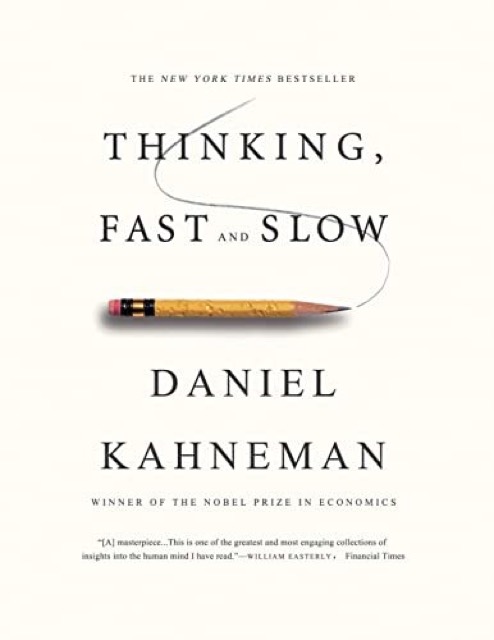
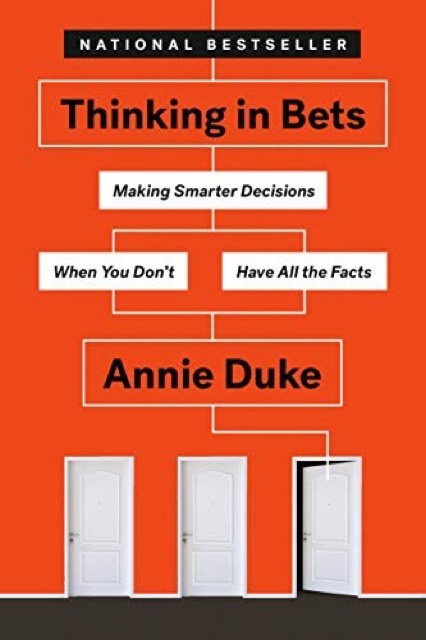
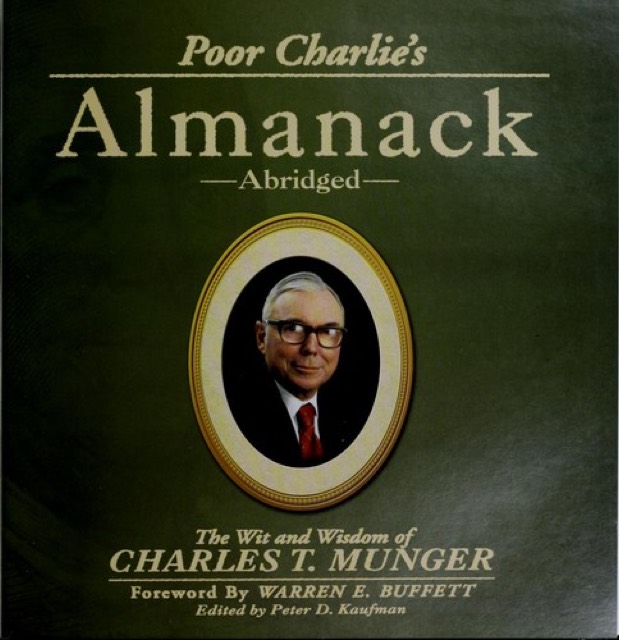
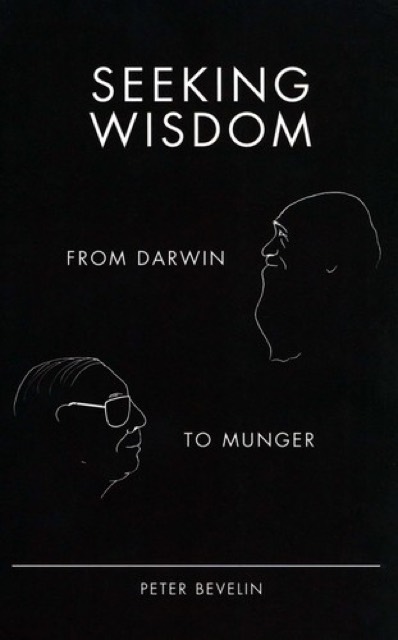
Read the ideas in two minutes here, then read the book that goes deep.

Prefer to listen? Start a free trial and your first audiobook is on the house.
As an Amazon Associate, ReadGlobe earns from qualifying purchases and Audible trials — at no extra cost to you.
Mental models for other work
Editorial synthesis © ReadGlobe. Each idea links to a full reference page with sources. Not a generic list — the hiring manager's judgement toolkit: the base-rate + signal-vs-noise + regression discipline that beats gut feel, paired with the specific biases (halo, in-group, confirmation) that make interviews predict so poorly.