Mental models for persuasion & marketing
Mental models for persuasion and marketing are the psychological principles that shape what people believe and buy — reciprocity, social proof, framing, anchoring and loss aversion chief among them. Master them to write sharper copy, price with intent and move audiences ethically; ignore them and every campaign rides on luck.
The load-bearing ideas: Reciprocity, Social proof, Loss aversion, The framing effect, Reactance.
Where to start, by situation
Direct selling runs on relationship and momentum: give value first, let the buyer feel ownership, and read the real motive behind the stated one. Pressure is the fastest way to lose a deal.
- ReciprocityStart hereGenuine value given first creates the quiet obligation that opens a conversation into a sale.
On the page you can't read the room, so wording carries the weight. The same offer framed differently, and the first number a reader sees, decide whether they convert.
- The framing effectStart hereIdentical facts, worded two ways, convert at different rates — framing is your main lever in copy.
An audience forms one strong impression and lets it colour everything after. The risk is assuming the room already shares your frame and references.
- The halo effectStart hereA single strong impression early in a talk shapes how the audience receives everything that follows.
The mental models
- Reciprocity
Give genuine value first — a free guide, a sample, a useful tool — and audiences feel a quiet obligation to give back with attention, an email address, or a sale. It's the engine under content marketing, free trials, and the concession-based 'door-in-the-face' ask.
- Social proof
When buyers are unsure, other people's behaviour becomes the decision. Reviews, testimonials, user counts, bestseller badges and 'most popular' plan tags all borrow the crowd's certainty to lower perceived risk and tip a prospect toward yes.
- Loss aversion
Because a loss stings about twice as much as an equal gain feels good, framing an offer around what the buyer will lose — an expiring discount, low stock, a lapsing trial — moves more people than the same offer framed as a gain. It's the psychology beneath scarcity and urgency.
- The framing effect
The identical offer, worded two ways, converts at different rates: '95% fat-free' beats '5% fat', 'save $40' beats 'only $60'. Copywriting is largely choosing the frame that makes the same thing feel like the better choice.
- Anchoring
The first number a buyer sees becomes the yardstick for everything after it. A crossed-out 'was $200', a premium tier shown first, or a stated MSRP anchors perceived value so the price you actually want to sell reads as a deal.
- Incentives
Buyers act on real motivations, not the ones they state. Identify the actual reward your product delivers — status, relief, convenience, savings — and build the pitch around that, not the features you're proud of but they don't care about.
- The halo effect
One strong impression — sleek design, an admired spokesperson, a single flagship win — spills onto everything else you sell, so the whole brand is judged 'better' on that one cue. It's why premium packaging and endorsements lift perceived quality across the line.
- The endowment effect
Once a prospect feels ownership, handing it back feels like a loss. Free trials, test drives, 30-day home tries and 'configure your own' tools manufacture that sense of possession before payment — and reluctance to give it up closes the sale.
- Cognitive dissonance
Once someone commits — a small first purchase, a public opt-in, a stated preference — the pull to stay consistent with that self-image drives the next yes. It powers foot-in-the-door offers, low-friction signups, and loyalty that outlasts a merely-okay product.
- Hyperbolic discounting
People value an immediate reward far above a larger later one, so 'get it today', instant access and 'buy now' beat 'save more next year'. Make the payoff feel immediate and the cost feel distant — pay later, cancel anytime — and conversion rises.
- The Pareto principle
A small share of customers, channels and messages produces most of the revenue. Find the 20% — the best segment, the one channel that converts, the few pages that sell — and pour budget there instead of spreading spend evenly across everything.
Biases that trip up persuasion & marketing
- Reactance
The hardest sell backfires. Pushy pop-ups, 'you must act now' pressure and heavy-handed mandates make people reassert their freedom by refusing — so effective persuasion offers a real choice and lets the buyer feel the decision is theirs.
- The curse of knowledge
You know your product too well to read your own copy the way a newcomer does. Insider jargon, unexplained benefits and assumed context leave prospects confused — and confused people don't buy. It's the most common reason messaging quietly fails.
- False-consensus effect
Marketers build campaigns around what they themselves would want, assuming the audience shares their taste. When 'everyone will love this' meets a market that doesn't, the launch lands flat — real research beats projecting your own preferences.
- Choice overload
More plans, more CTAs and more products on the page can lower conversion, not raise it — overwhelmed prospects delay or leave. Narrowing the options and leading with one clear next step usually sells more than showing everything you offer.
- Survivorship bias
Copying the tactics of one viral campaign or breakout brand ignores the thousands that ran the same playbook and vanished. Studying only the winners teaches you what winning and losing campaigns had in common — which often had nothing to do with the win.
- Confirmation bias
Attached to the campaign you love, you read the data for reasons it's working and wave away the signals it isn't — celebrating the one channel that's up while the funnel leaks. It keeps failing ads and dead pages alive far too long.
The books behind these ideas
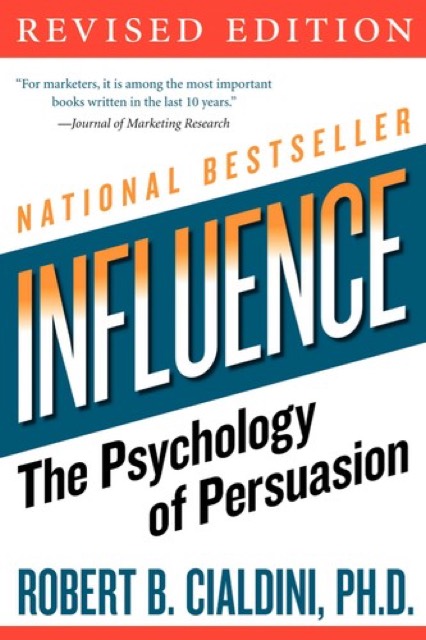
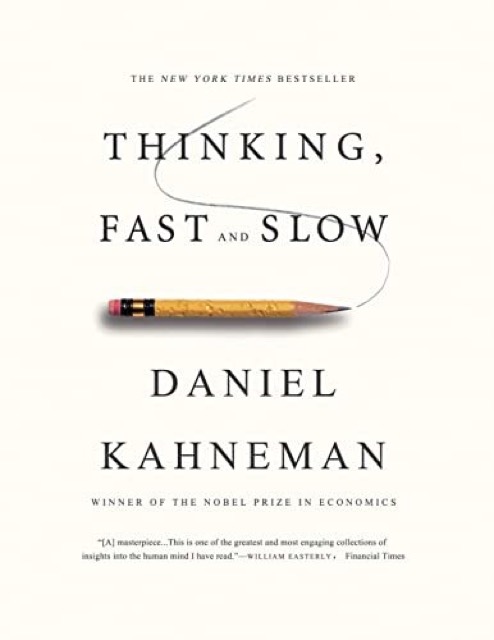
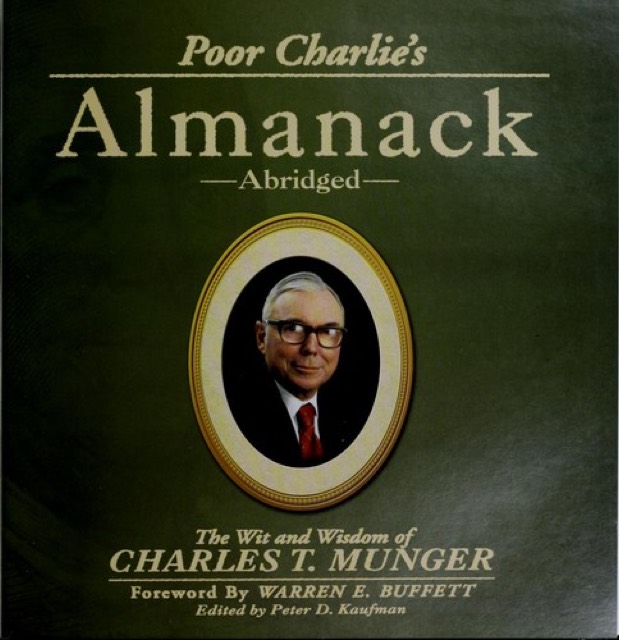
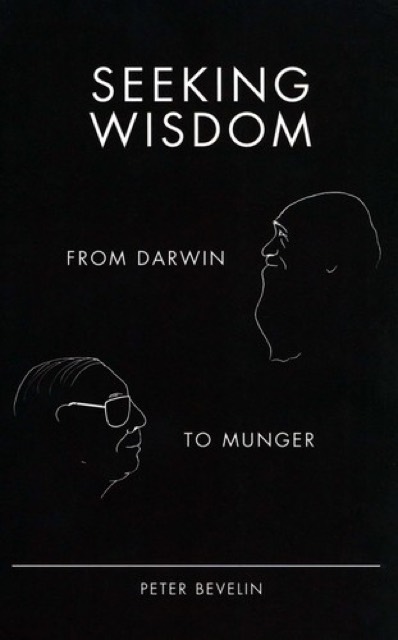
Read the ideas in two minutes here, then read the book that goes deep.

Prefer to listen? Start a free trial and your first audiobook is on the house.
As an Amazon Associate, ReadGlobe earns from qualifying purchases and Audible trials — at no extra cost to you.
Mental models for other work
Editorial synthesis © ReadGlobe. Each idea links to a full reference page with sources. Unlike a generic top-models list, this is the working persuasion stack — Cialdini's reciprocity, social proof and liking, behavioural pricing levers like anchoring and framing, and the reactance and curse-of-knowledge traps that specifically sink campaigns — not general decision-making tools.