Cognitive biases in meetings
The bandwagon effect, authority bias, and anchoring distort meetings most: a few early voices create false consensus, the senior person's view carries regardless of merit, and the first proposal frames everything after. Spotting them keeps a room from mistaking momentum and rank for good decisions.
The ones that bite hardest: Bandwagon effect, Authority bias, Anchoring bias.
Which biases bite hardest — by situation
As chair your weight distorts the room. You read silence as agreement, your view carries regardless of merit, momentum masquerades as agreement, and time pressure favors deciding over thinking.
- False-consensus effectStart hereSilence in the room is not agreement, yet you will hear it as buy-in.
As presenter your biggest trap is what your audience doesn't know. You can't imagine their gaps, so you skip context; meanwhile your first number and agenda position quietly frame their judgment.
- The curse of knowledgeStart hereYou can't picture what listeners don't know, so you skip the context that decides them.
From the margins the pull is to fold. Once a few voice support the rest converge, the senior view carries the room, and juniors defer even when they see the flaw.
- Bandwagon effectStart hereAs momentum builds toward a consensus, the pull to converge and stay silent is strongest for you.
The biases, and how each one bites
- Bandwagon effect
Once a few voice support, the rest converge on the emerging consensus, mistaking momentum for agreement.
- Authority bias
The most senior person's view carries the room regardless of merit, so juniors defer to the title.
- Anchoring bias
The first number or proposal anchors the discussion; every later option is judged relative to it.
- Halo effect
A confident, well-liked speaker makes their idea sound better, letting one good impression carry a weak proposal.
- Primacy effect
Whoever speaks first or tops the agenda frames the debate; later contributions struggle to shift it.
- False-consensus effect
You read silence as agreement, so real objections never surface and get mistaken for buy-in.
- Confirmation bias
People arrive with a preferred conclusion and steer discussion toward supporting evidence, dismissing counterpoints as noise.
- The curse of knowledge
The expert presenting can't imagine what others don't know, so briefings skip context and the room nods along.
- Recency bias
The last point raised before a decision weighs heaviest, so speaking last can outweigh substance.
- Action bias
Under time pressure the room favors deciding something over waiting, even when more information would help.
The books that teach you to spot them
The canon on how the mind misfires — read one and you’ll catch these biases in the act.
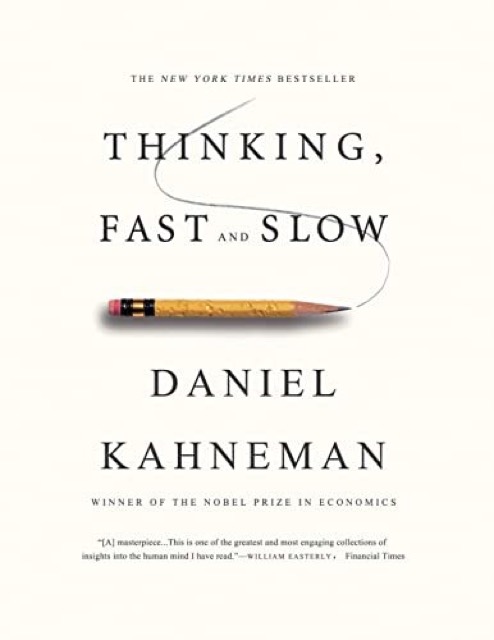
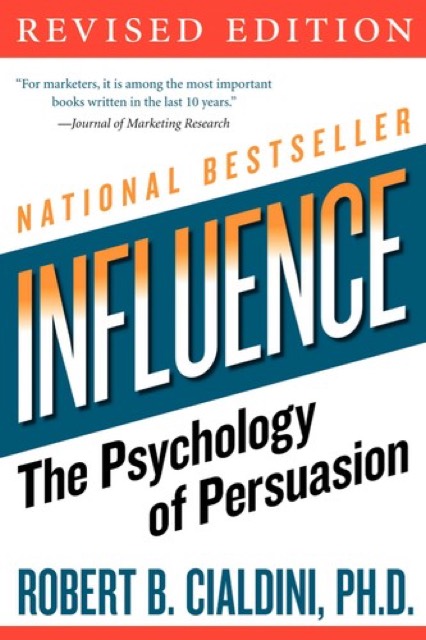
Prefer to listen? Hear the source books free on Audible — start a trial and your first audiobook is on the house.
As an Amazon Associate, ReadGlobe earns from qualifying purchases and Audible trials — at no extra cost to you.
Biases in other situations
Or browse the flip side — the mental models for real work →
Editorial synthesis © ReadGlobe. Each bias links to a full reference page with sources. Meeting biases are social and sequential — who spoke first, who outranks whom, what the room seems to think — distinct from the solitary biases of estimation or investing.