Cognitive biases in negotiation
Anchoring, loss aversion, and framing distort negotiation most: the first number sets the range, every concession feels like a painful loss, and how an offer is worded sways yes or no more than its actual value. Noticing these biases keeps you from overpaying, over-conceding, or walking away from deals worth taking.
The ones that bite hardest: Anchoring bias, Loss aversion, Framing effect.
Which biases bite hardest — by situation
When one number decides the outcome, the fight is over the frame. The first figure sets the range, and you tend to overrate your leverage while assuming the other side can read your floor.
- Anchoring biasStart hereWhoever names the first credible number sets the range every later offer drifts toward.
An aggressive opener works by resetting your sense of reasonable. An extreme demand makes the next one look fair, an ultimatum tempts you to refuse on principle, and toughness reads as bad character.
- Contrast effectStart hereAn extreme opening demand recalibrates your baseline, so the next offer looks reasonable when it isn't.
The longer you've been at the table, the more the hours already spent pressure you to close. You overvalue what you hold, and each concession registers as a loss you resist.
- Sunk-cost fallacyStart hereTime already invested pushes you to accept a bad deal rather than walk away.
The biases, and how each one bites
- Anchoring bias
The first number sets the range; every counteroffer drifts toward it, so whoever anchors first often wins.
- Loss aversion
Each concession registers as a loss twice as painful, so you cling to positions and reject fair trades.
- Framing effect
The same terms sound generous or insulting by wording alone, so packaging sways acceptance more than actual value.
- Reactance
An ultimatum or hard sell triggers the urge to refuse purely to reassert your freedom to choose.
- Contrast effect
An extreme opening demand makes the next offer look reasonable, even when it's still worse than fair.
- Endowment effect
You price what you already hold above what the other side will pay, opening a gap that stalls deals.
- Overconfidence effect
You overrate your leverage and walk-away option, demanding too much and rejecting agreements worth accepting.
- Illusion of transparency
You assume they can read your bluff or bottom line, so you concede early to relieve imagined exposure.
- Fundamental attribution error
You read the other side's toughness as bad character, not constraints, hardening you against creative trades.
- Sunk-cost fallacy
Hours already spent at the table pressure you to close a bad deal rather than walk away.
The books that teach you to spot them
The canon on how the mind misfires — read one and you’ll catch these biases in the act.
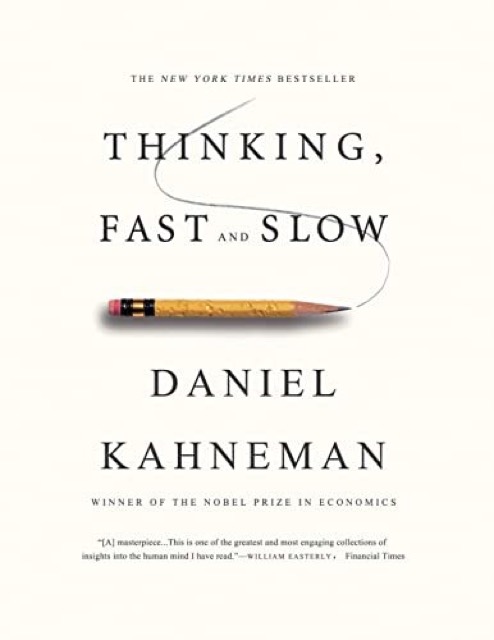
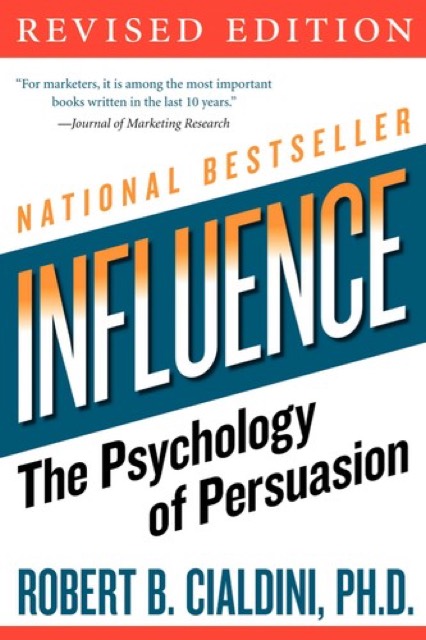
Prefer to listen? Hear the source books free on Audible — start a trial and your first audiobook is on the house.
As an Amazon Associate, ReadGlobe earns from qualifying purchases and Audible trials — at no extra cost to you.
Biases in other situations
Or browse the flip side — the mental models for real work →
Editorial synthesis © ReadGlobe. Each bias links to a full reference page with sources. Negotiation biases cluster around the first number and the fear of loss — a set distinct from the biases that derail meetings or estimates.