Cognitive biases in planning & estimation
The planning fallacy, optimism bias, and base-rate neglect distort estimates most: you underestimate time and cost even while recalling past overruns, treat the best case as likely, and ignore how long similar projects actually took. Recognising them is how timelines start matching reality.
The ones that bite hardest: The planning fallacy, Optimism bias, Base-rate neglect.
Which biases bite hardest — by situation
Starting from a blank plan, you underestimate time and cost, treat the best case as likely, and reason from this project's specifics instead of how similar projects actually went.
- The planning fallacyStart hereThe planning fallacy is the master error — the estimate runs short even as you recall past overruns.
As the reviewer, their number anchors yours before you've done independent work, their stated confidence reads as accuracy, and neither of you checks it against how long comparable work took.
- Anchoring biasStart hereTheir figure anchors you the instant you read it, so your review adjusts far too little from it.
Once a plan is already failing, prior investment argues for pushing the timeline out, you overrate your grip on the remaining unknowns, and past 'we saw it coming' talk hides the lesson.
- Sunk-cost fallacyStart hereSunk cost is what keeps a doomed plan alive — you extend for what's spent, not for what's likely.
The biases, and how each one bites
- The planning fallacy
You underestimate a task's time, cost, and failure odds even while recalling that similar past tasks overran.
- Optimism bias
You treat the best case as the likely one and rate your project less at risk than comparable ones.
- Base-rate neglect
You estimate from this project's vivid specifics and ignore how long similar projects actually took.
- Overconfidence effect
Your confidence in an estimate far exceeds its accuracy, so buffers and ranges come out too narrow.
- Anchoring bias
A rough first guess or an imposed deadline anchors the estimate; later adjustments stay too close.
- Sunk-cost fallacy
Prior investment keeps you extending timelines on a failing plan instead of re-estimating from reality.
- Illusion of control
You overestimate your grip on chance and dependencies, under-planning for external factors and slippage.
- Availability heuristic
Risks easy to imagine get over-weighted while common but unimagined failure modes stay out of the plan.
- The curse of knowledge
Knowing the work intimately, you can't picture a slower teammate, so you estimate it easier than it is for them.
- Hindsight bias
After delivery you recall 'seeing it coming,' erasing the estimation errors you'd learn from next time.
The books that teach you to spot them
The canon on how the mind misfires — read one and you’ll catch these biases in the act.
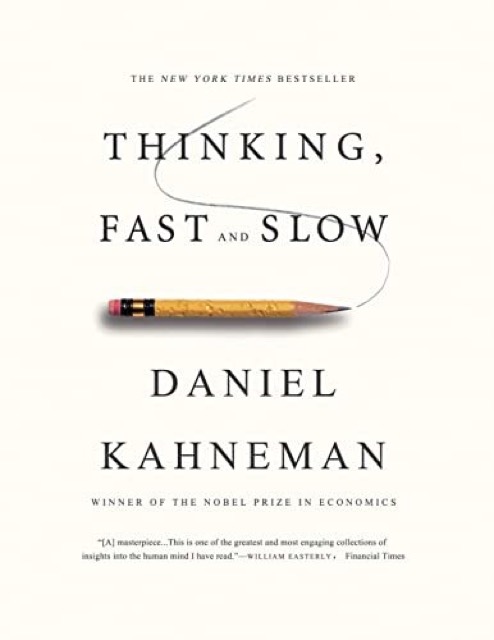
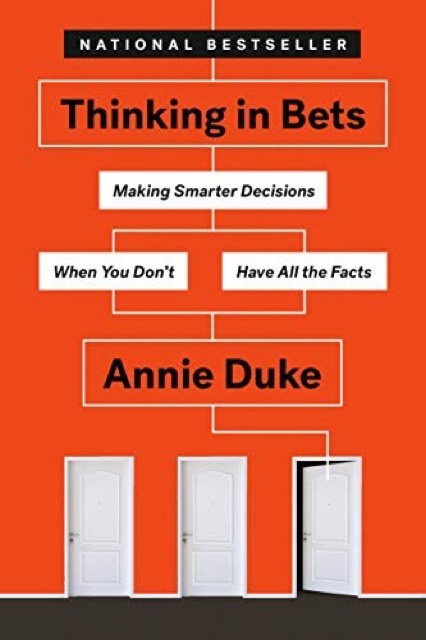
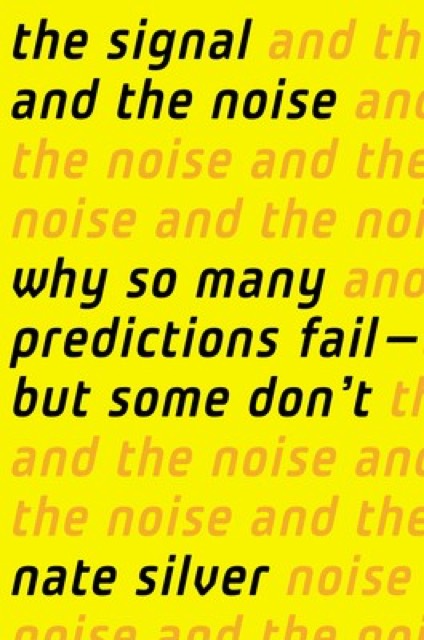
Prefer to listen? Hear the source books free on Audible — start a trial and your first audiobook is on the house.
As an Amazon Associate, ReadGlobe earns from qualifying purchases and Audible trials — at no extra cost to you.
Biases in other situations
Or browse the flip side — the mental models for real work →
Editorial synthesis © ReadGlobe. Each bias links to a full reference page with sources. Estimation biases are the ones that make the future look smoother and nearer than it is — the planning fallacy, optimism, base-rate neglect — a set of their own.