Cognitive biases in product decisions
False consensus, confirmation bias, and the curse of knowledge distort product decisions most: you assume users think like you, mine data for evidence your favoured feature works, and design flows only a fluent insider can decode. Naming them keeps you building for the actual audience, not yourself.
The ones that bite hardest: False-consensus effect, Confirmation bias, The curse of knowledge.
Which biases bite hardest — by situation
Choosing the next feature, you assume users think like you, design for how well you already know the product, and drift toward whatever competitors ship rather than what users need.
- False-consensus effectStart hereFalse consensus is the root error of building for yourself instead of the actual user.
Facing a feature that isn't earning its place, the months already spent and your team's own labour make it feel more valuable than the data says, and doing something feels safer than removing it.
- Sunk-cost fallacyStart hereSunk cost is why underperforming features survive — kept for the investment, not the value.
Interpreting interviews and metrics, you notice evidence for the plan you favour, hear only the users who stayed, and let the loudest recent complaint stand in for the whole base.
- Confirmation biasStart hereConfirmation bias turns research into a search for reassurance rather than a test of the idea.
The biases, and how each one bites
- False-consensus effect
You assume users share your preferences and workflows, so you build for yourself, not the actual audience.
- Confirmation bias
You mine interviews and metrics for evidence your favored feature works, discounting signals that say otherwise.
- The curse of knowledge
Knowing the product intimately, you design flows and copy first-time users can't decode, mistaking fluency for theirs.
- Sunk-cost fallacy
A feature that consumed months stays alive for the investment, not because it earns its place.
- The IKEA effect
The feature your team built feels more valuable than it is, because your own labour inflates its worth.
- Survivorship bias
You optimize for vocal remaining users, never seeing the churned ones whose reasons for leaving matter most.
- Availability heuristic
The loudest recent complaint or last sales call dominates the roadmap, crowding out quieter, more frequent needs.
- Optimism bias
You overestimate adoption and underrate the chance it flops, skipping the downside case before committing.
- Action bias
Under pressure to show progress you ship new features when fixing existing ones would serve users more.
- Bandwagon effect
A competitor's feature gets copied into your roadmap because everyone's doing it, not because users need it.
- The planning fallacy
You underestimate build time, cost, and edge cases for each feature, so roadmaps and launch dates slip.
The books that teach you to spot them
The canon on how the mind misfires — read one and you’ll catch these biases in the act.
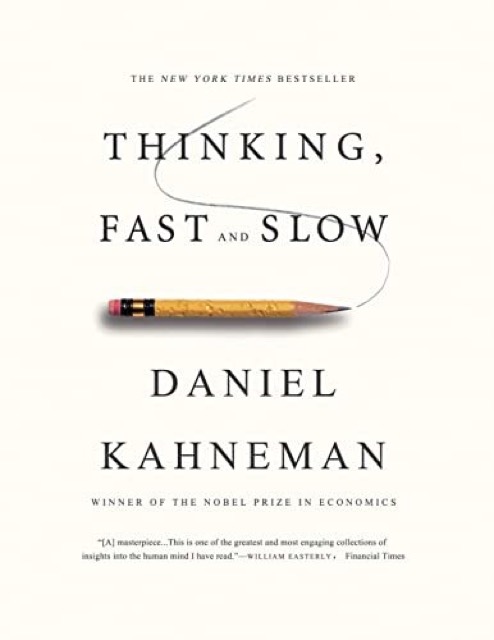
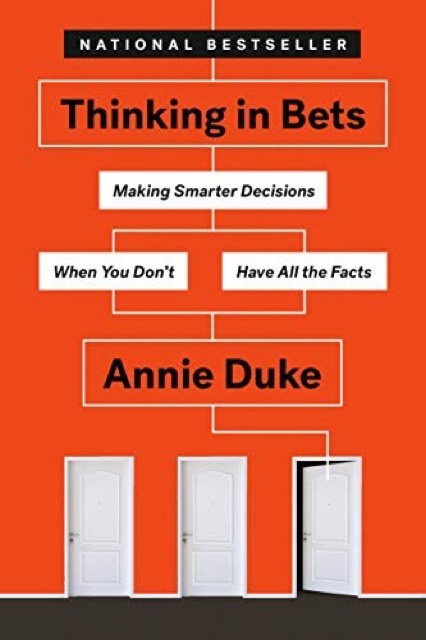
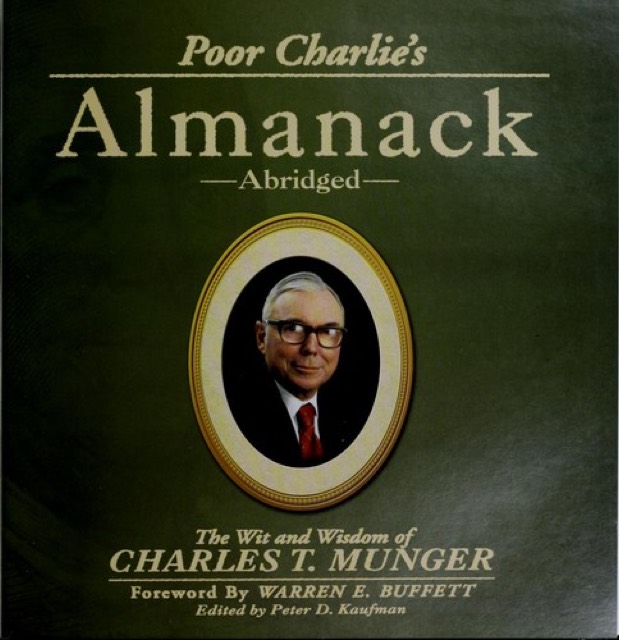
Prefer to listen? Hear the source books free on Audible — start a trial and your first audiobook is on the house.
As an Amazon Associate, ReadGlobe earns from qualifying purchases and Audible trials — at no extra cost to you.
Biases in other situations
Or browse the flip side — the mental models for real work →
Editorial synthesis © ReadGlobe. Each bias links to a full reference page with sources. Product biases are the ones that make a team fall for its own idea — false consensus, the IKEA effect, survivorship — distinct from the money biases of investing.