Cognitive biases in investing
Loss aversion, overconfidence, and confirmation bias do the most damage to investors: losses hurt about twice as much as gains, you overrate your forecasts, and you read only the news that fits your thesis. Recognising these patterns is what separates disciplined investing from expensive, emotion-driven mistakes.
The ones that bite hardest: Loss aversion, Overconfidence effect, Confirmation bias.
Which biases bite hardest — by situation
Early on the danger is mistaking activity for skill. Picking and trading feel controllable, you overrate your forecasts, and you chase what has recently gone up.
- Overconfidence effectStart hereOverrating your own forecasts drives the overtrading and oversized bets that quietly erode returns.
A vivid, fresh decline distorts probability. The crash you just watched feels far more likely to continue, recent moves dominate, and the pain tempts you to stop looking.
- Availability heuristicStart hereA vivid recent crash inflates your estimate of further losses, pushing you to sell at the bottom.
A losing position triggers the strongest holding biases at once. The pain of realizing the loss, the purchase price as an anchor, and the pull to average down all keep you in.
- Loss aversionStart hereRealizing the loss hurts about twice as much as the gain, so you hold far too long.
The biases, and how each one bites
- Loss aversion
Losses hurt about twice as much as gains, so you hold losers too long and sell winners too soon.
- Overconfidence effect
Overrating your forecasts' accuracy drives overtrading and oversized bets that quietly erode returns.
- Confirmation bias
You hunt for news that confirms your thesis and dismiss the disconfirming data that would spare a loss.
- Recency bias
Recent returns get overweighted, so you buy after run-ups and flee after falls.
- Anchoring bias
Your purchase price becomes an anchor, so you refuse to sell until it returns to what you paid.
- Sunk-cost fallacy
Because capital's already committed, you average down into a losing position instead of cutting it.
- Availability heuristic
A vivid recent crash or headline dominates your risk estimate, distorting how likely losses truly are.
- Illusion of control
Active trading and stock-picking feel skill-driven, overstating your influence over largely random outcomes.
- The gambler’s fallacy
You treat a fallen stock as 'due' to rebound, though prior moves don't owe you a reversal.
- The ostrich effect
You avoid checking a falling portfolio to dodge discomfort, delaying decisions until the damage is worse.
The books that teach you to spot them
The canon on how the mind misfires — read one and you’ll catch these biases in the act.
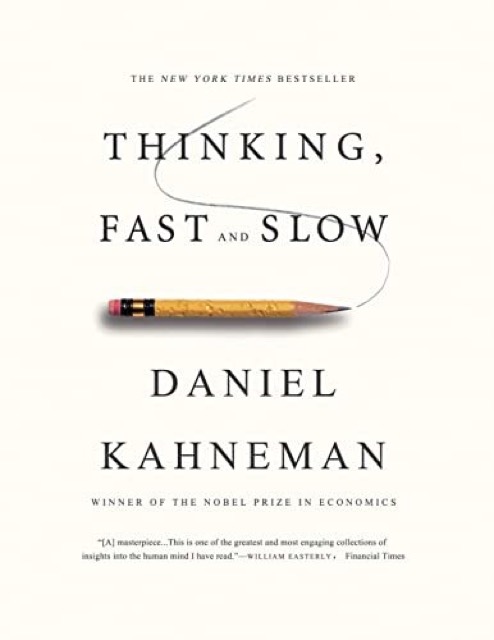

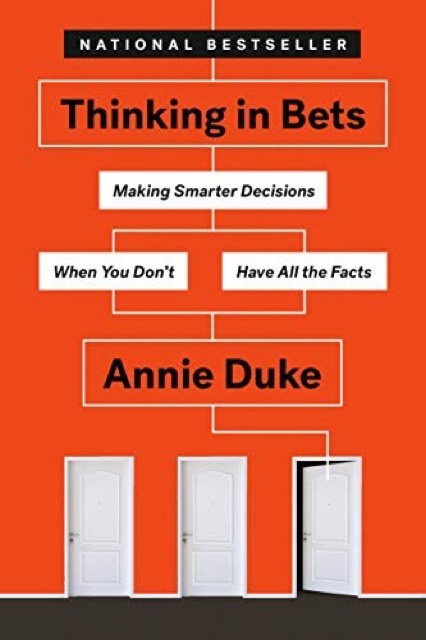

Prefer to listen? Hear the source books free on Audible — start a trial and your first audiobook is on the house.
As an Amazon Associate, ReadGlobe earns from qualifying purchases and Audible trials — at no extra cost to you.
Biases in other situations
Or browse the flip side — the mental models for real work →
Editorial synthesis © ReadGlobe. Each bias links to a full reference page with sources. Investing biases are the ones that survive contact with money and volatility — loss aversion, overconfidence, recency — not the social biases of a meeting room.