Nocebo effect
The nocebo effect is when negative expectations about a treatment or situation cause real unpleasant symptoms or make existing ones worse, even if the treatment itself is inert. It is the darker counterpart of the placebo effect.
- 1 min read
- 6 linked ideas
Why does the nocebo effect happen?
Anticipating harm primes attention and the body’s stress responses. Someone warned that a pill may cause dizziness starts monitoring every slight wobble and interprets ordinary sensations as side effects. Anxiety itself can produce nausea, headache or poor sleep, which then seems to confirm the warning. Learning also plays a part: a previous bad reaction can make the next dose feel worse before it has had any chemical effect. Information, the way it is framed and the stories people hear from others all shape how strongly the expectation takes hold.
What does the nocebo effect look like in real life?
- People in the placebo arm of a drug trial reporting side effects listed on the consent form.
- Feeling ill after reading a long list of possible reactions on a medicine leaflet.
- A procedure described as “this will hurt a bit” being experienced as more painful than one described neutrally.
How do you counter the nocebo effect?
- Ask your doctor which side effects are common and which are rare, so a long list does not read as a forecast.
- Notice when a new symptom started after a warning rather than after the treatment had time to act.
- Do not stop a prescribed medicine because of feared side effects without first talking to your doctor or pharmacist.
Frequently asked
- What is the nocebo effect in simple terms?
- It is feeling worse because you expect to. If you believe a treatment will cause side effects, you may genuinely experience them, even when the treatment contains nothing that could cause them.
- What is an example of the nocebo effect?
- In clinical trials, some participants who receive only a dummy pill report headaches, nausea or tiredness, often matching the side effects they were warned the real drug might cause. Their symptoms are real experiences, but they come from expectation.
- Why does the nocebo effect matter for doctors?
- Because how risks are communicated can change what patients feel. Colloca and Miller argue that clinicians can reduce nocebo responses by framing information carefully while still being honest and gaining properly informed consent.
- Placebo vs nocebo: what is the difference?
- Both arise from expectation. Positive expectations of an inert treatment can bring relief, which is the placebo effect. Negative expectations can bring new or worse symptoms, which is the nocebo effect.
Keep reading
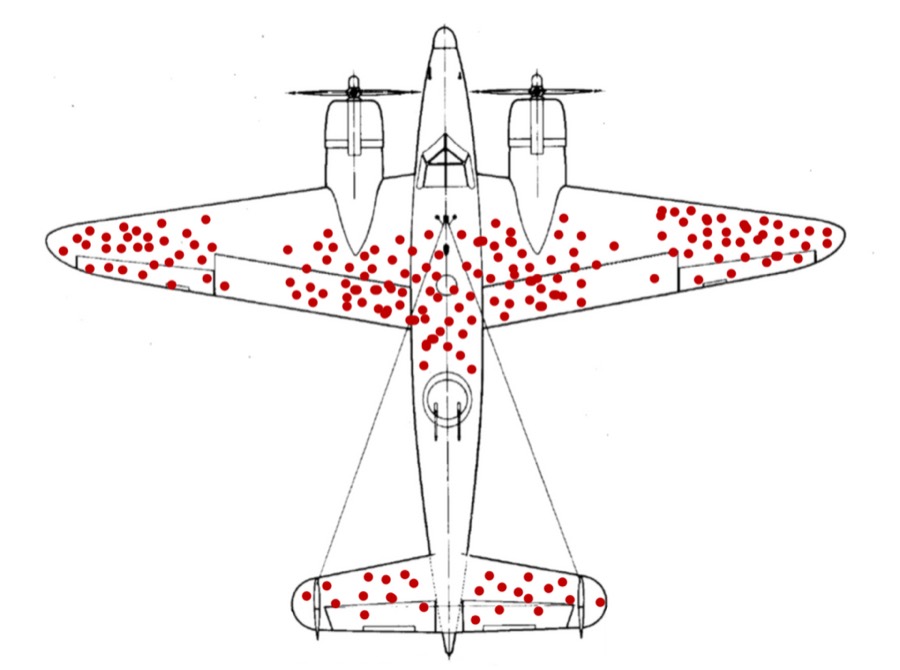
Survivorship bias
Armour the bombers where the survivors show no holes — those hits never came home.
The books behind better thinking
Affiliate links. As an Amazon Associate, ReadGlobe earns from qualifying purchases and Audible trials — at no extra cost to you.
Listen to any of these free. Start a free Audible trial and get your first audiobook on the house.
Prefer to read? The canonical picks:
- Thinking, Fast and Slow — Daniel Kahneman
- The Art of Thinking Clearly — Rolf Dobelli
- The Great Mental Models, Volume 1 — Shane Parrish
- Poor Charlie’s Almanack — Charlie Munger
- Super Thinking — Gabriel Weinberg & Lauren McCann
- Seeking Wisdom — Peter Bevelin
Cite this page
ReadGlobe. (2026). Nocebo effect. https://readglobe.com/bias/nocebo-effect/
"Nocebo effect." ReadGlobe, 24 Oct. 2026, readglobe.com/bias/nocebo-effect/.
Editorial synthesis © ReadGlobe 2026, drawing on Kahneman’s Thinking, Fast and Slow, the Tversky–Kahneman research program, and the primary cognitive-science literature. · Last reviewed 2026-10-24.