Bias blind spot
The bias blind spot is the tendency to recognise cognitive biases in other people while failing to see them in yourself. We readily spot others’ flawed thinking but feel our own judgements are objective and bias-free.
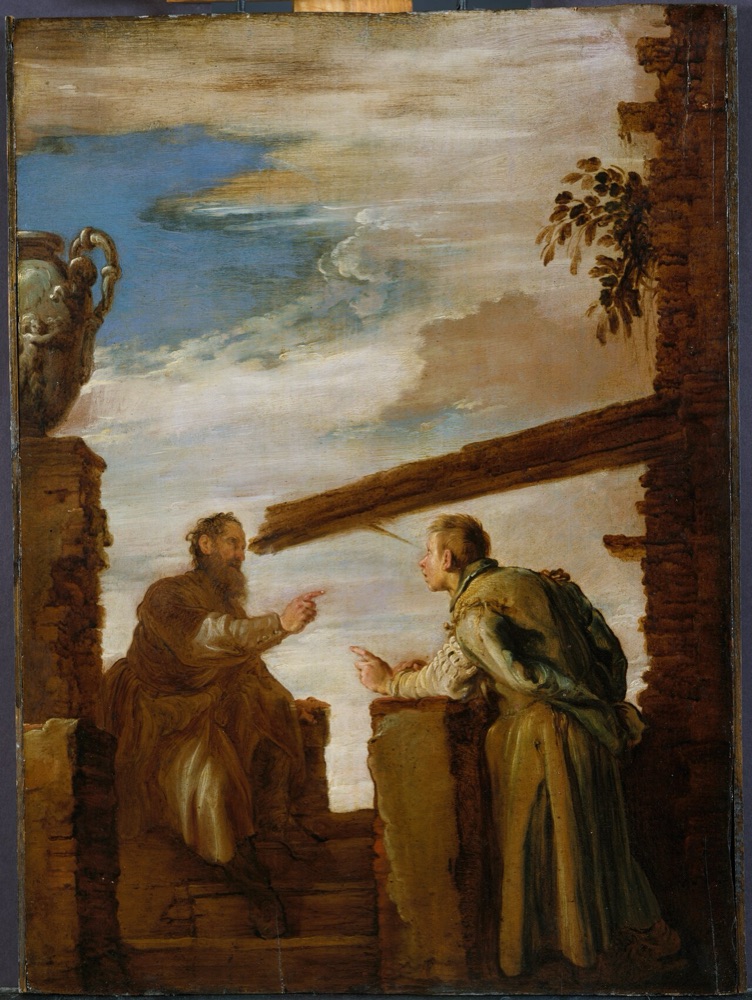
Fetti paints a man with a great wooden beam jutting from his own eye while he fixes on the speck in another's — the parable that IS the bias blind spot: keen-eyed for others' faults, utterly blind to the larger one lodged in himself.
Domenico Fetti, The Parable of the Mote and the Beam (c. 1619) · Public domain
Why does bias blind spot happen?
We judge others by their behaviour but ourselves by our intentions and introspection — and introspection doesn’t reveal bias, which works unconsciously. So we examine our reasoning, find no felt bias, and conclude we have none, while reading others’ biases straight off their conclusions.
It's the bias that protects all the others — 'I'm pretty objective' is the most dangerous sentence in reasoning.
What does bias blind spot look like in real life?
- Confidently identifying confirmation bias in someone you disagree with, certain you have none yourself.
- Believing you are an above-average, objective judge of character — a biased belief about being unbiased.
- Dismissing an opponent’s view as "ideological" while seeing your own as "just common sense."
How do you counter bias blind spot?
- Assume you are as biased as the average person — because, on this, you almost certainly are.
- Judge your reasoning by its outputs and track record, not by how objective it feels from inside.
- Seek outside feedback; others can see your biases as easily as you see theirs.
The deeper point
It is the bias that protects all the others. Every debiasing technique fails at the first step if you’re convinced you don’t need it — which is why "I’m pretty objective" is the most dangerous sentence in reasoning.
Frequently asked
- What is the bias blind spot?
- It is the bias of failing to notice your own biases while easily spotting them in others — believing your own judgement is objective even as you see everyone else’s as distorted.
- Why can’t we see our own biases?
- Because biases work unconsciously, so introspection doesn’t reveal them. We judge ourselves by our intentions (which feel pure) and others by their conclusions (where bias shows), creating the asymmetry.
- How do you overcome the bias blind spot?
- Assume you are as biased as anyone, judge your reasoning by its track record rather than how objective it feels, and actively seek outside feedback — others see your biases as clearly as you see theirs.
Keep reading
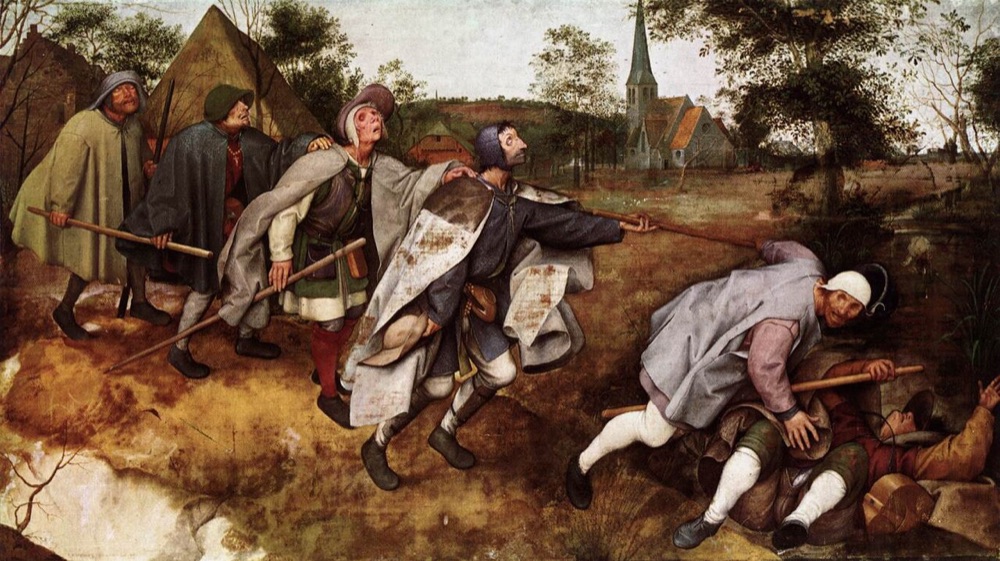
The Dunning–Kruger effect
Judging your own work takes the very skill you haven't built yet.
See this alongside the other thinking tools of writing clearly.
The books behind better thinking
Affiliate links. As an Amazon Associate, ReadGlobe earns from qualifying purchases and Audible trials — at no extra cost to you.
Listen to any of these free. Start a free Audible trial and get your first audiobook on the house.
Prefer to read? The canonical picks:
- Thinking, Fast and Slow — Daniel Kahneman
- The Art of Thinking Clearly — Rolf Dobelli
- The Great Mental Models, Volume 1 — Shane Parrish
- Poor Charlie’s Almanack — Charlie Munger
- Super Thinking — Gabriel Weinberg & Lauren McCann
- Seeking Wisdom — Peter Bevelin
Cite this page
ReadGlobe. (2026). Bias blind spot. https://readglobe.com/bias/bias-blind-spot/
"Bias blind spot." ReadGlobe, 29 May 2026, readglobe.com/bias/bias-blind-spot/.
Primary source: Wikipedia
Editorial synthesis © ReadGlobe 2026, drawing on Kahneman’s Thinking, Fast and Slow, the Tversky–Kahneman research program, and the primary cognitive-science literature. · Last reviewed 2026-05-29.