The mere-exposure effect
The mere-exposure effect is the tendency to like things simply because they’re familiar. Repeated exposure — to a song, a face, a brand, an idea — increases preference for it, even with no positive new information.
- 1 min read
- 3 linked ideas
- 1 comparison
Why does the mere-exposure effect happen?
Familiarity is processed more fluently and feels safer (the unfamiliar once signalled danger). The brain mistakes the ease of recognition for genuine liking.
A lie repeated often enough starts to feel true — comfort masquerades as judgement.
What does the mere-exposure effect look like in real life?
- A song you disliked growing on you after repeated play.
- Advertising working through sheer repetition rather than argument.
- Preferring your mirror image to a photo — others, used to your true orientation, prefer the photo.
How do you counter the mere-exposure effect?
- Ask whether you actually like it or have just seen it a lot.
- Judge new options on merit before familiarity sets in.
- Beware repetition as persuasion — it builds comfort, not truth.
The deeper point
It’s why a lie repeated often enough starts to feel true, and why the most-advertised option rarely needs to be the best. Comfort masquerades as judgement.
Frequently asked
- What is the mere-exposure effect?
- The tendency to prefer things simply because they’re familiar — repeated exposure increases liking even with no new positive information.
- How does advertising use the mere-exposure effect?
- By repeating a brand or message until familiarity itself breeds preference — persuading through exposure rather than argument.
- Why do we prefer our mirror image to photos?
- The mere-exposure effect: you see your mirror-reversed face constantly so it feels more "right," while others, used to your true orientation, prefer the photo.
Compared side by side
Keep reading
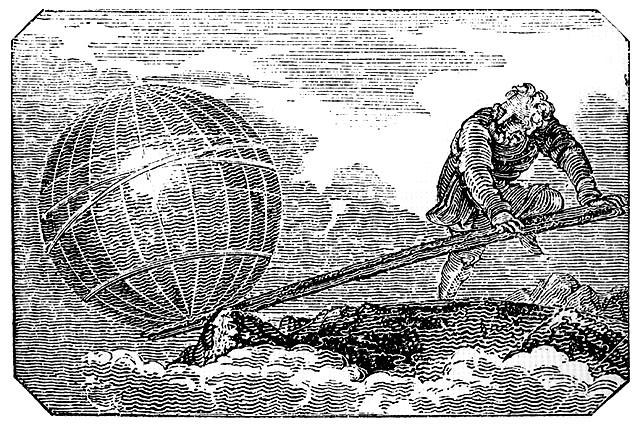
Leverage
One carpenter earns per table; another writes the book and sells the same work thousands of times.
See this alongside the other thinking tools of learning.
This bias distorts studying & learning and shopping & spending.
The books behind better thinking
Affiliate links. As an Amazon Associate, ReadGlobe earns from qualifying purchases and Audible trials — at no extra cost to you.
Listen to any of these free. Start a free Audible trial and get your first audiobook on the house.
Prefer to read? The canonical picks:
- Thinking, Fast and Slow — Daniel Kahneman
- The Art of Thinking Clearly — Rolf Dobelli
- The Great Mental Models, Volume 1 — Shane Parrish
- Poor Charlie’s Almanack — Charlie Munger
- Super Thinking — Gabriel Weinberg & Lauren McCann
- Seeking Wisdom — Peter Bevelin
Cite this page
ReadGlobe. (2026). The mere-exposure effect. https://readglobe.com/bias/mere-exposure-effect/
"The mere-exposure effect." ReadGlobe, 29 May 2026, readglobe.com/bias/mere-exposure-effect/.
Primary source: Wikipedia
Editorial synthesis © ReadGlobe 2026, drawing on Kahneman’s Thinking, Fast and Slow, the Tversky–Kahneman research program, and the primary cognitive-science literature. · Last reviewed 2026-05-29.