Cognitive biases in shopping & spending
Shopping biases are the reason retail works the way it does: an inflated "was" price anchors you, a decoy option steers you to the target one, free trials lean on the endowment effect, and buy-now-pay-later runs on present bias. Retailers design for these patterns deliberately — knowing them is the only symmetrical defence.
The ones that bite hardest: Anchoring bias, The decoy effect, Contrast effect.
The biases, and how each one bites
- Anchoring bias
The struck-through "was" price anchors the value, so the discount feels like the gain — even when the sale price is simply the price.
- The decoy effect
The overpriced middle option exists to be refused: it's there to make the one they want to sell you look like the obviously sensible choice.
- Contrast effect
After the four-figure option, the three-figure one reads as modest — the showroom shows you the expensive model first for exactly this reason.
- Framing effect
"90% fat-free" outsells "10% fat", and "save €20" beats "spend €80" — the identical offer, restated to move you.
- Loss aversion
"Don't miss out", "last chance", "ends tonight" — sales copy is written as loss to avoid rather than gain to make, because the loss frame pulls about twice as hard.
- Endowment effect
Free trials and easy returns work because once it's in your home it's yours — and giving it back now feels like a loss rather than a non-purchase.
- The IKEA effect
Configure it, customise it, assemble it — the effort you put in inflates what it's worth to you, and retailers happily let you do the valuing.
- Choice overload
A wall of near-identical options feels like freedom but produces hesitation, default-taking, and regret — which is why curated "bestseller" shelves convert better than the full catalogue.
- The mere-exposure effect
The brand you've seen ten times feels more trustworthy than the identical product you're seeing first — familiarity masquerading as quality.
- Hyperbolic discounting
Buy-now-pay-later splits the pleasure from the price: the item arrives now, the cost lands on a future self you're currently discounting steeply.
- Bandwagon effect
"Bestseller", "trending", "12 people bought this today" — popularity is offered as evidence of quality, and under uncertainty you take it.
The books that teach you to spot them
The canon on how the mind misfires — read one and you’ll catch these biases in the act.
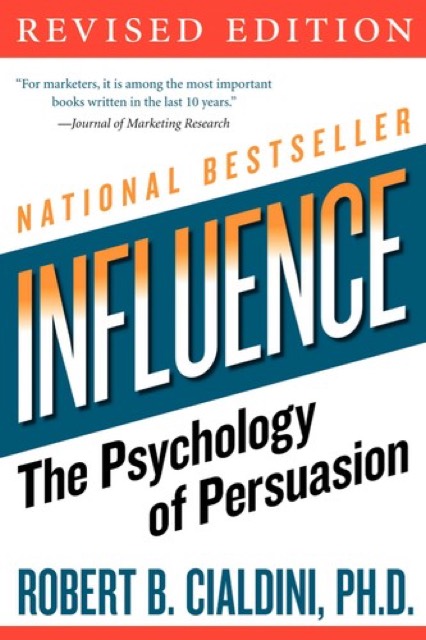
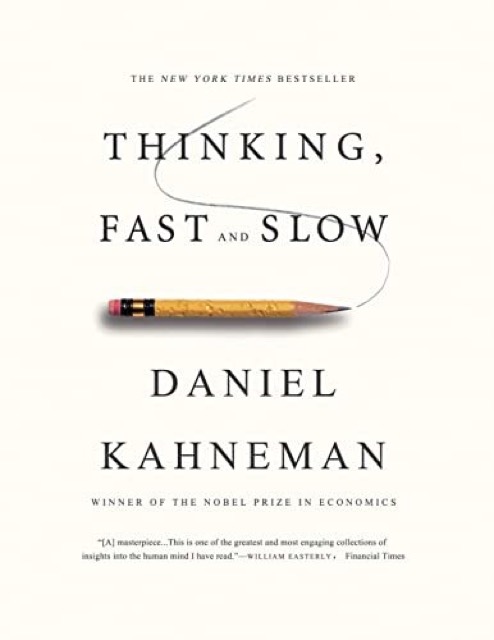
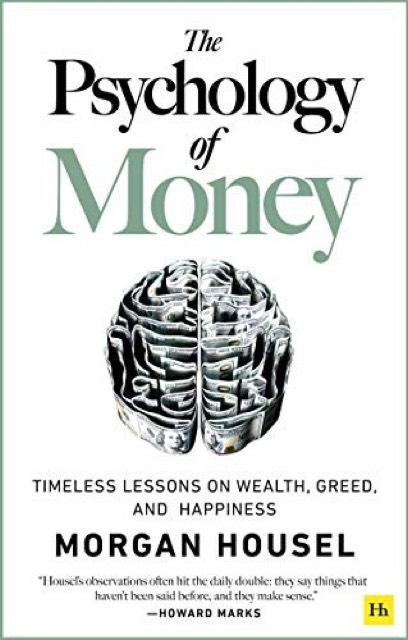
Prefer to listen? Hear the source books free on Audible — start a trial and your first audiobook is on the house.
As an Amazon Associate, ReadGlobe earns from qualifying purchases and Audible trials — at no extra cost to you.
Biases in other situations
Or browse the flip side — the mental models for real work →
Editorial synthesis © ReadGlobe. Each bias links to a full reference page with sources. The consumer-facing set: the pricing-architecture biases (anchoring, decoy, contrast, framing) plus the ownership illusions (endowment, IKEA) that no workplace or investing hub here covers — the biases retail is deliberately engineered around, read from the buyer's side of the counter.