Hyperbolic discounting
Hyperbolic discounting is our tendency to prefer smaller rewards that arrive sooner over larger rewards that come later — and to do so far more steeply for near-term choices. The present feels disproportionately urgent compared with the future.
- 1 min read
- 3 books teach this
- 6 linked ideas
Why does hyperbolic discounting happen?
We discount future value, but not at a constant rate. Rewards close in time are devalued sharply as they recede, while distant rewards are treated almost equally — producing preferences that reverse as a delayed reward draws near, and a chronic bias toward immediate gratification.
Every choice it tilts toward 'now' is a small theft from a future compounding would have made larger.
What does hyperbolic discounting look like in real life?
- Choosing $50 now over $100 in a year, but $100 in six years over $50 in five — the same gap, opposite choice.
- Planning to start the diet "tomorrow," then choosing dessert once tomorrow becomes today.
- Under-saving for retirement because the future self feels like a stranger.
How do you counter hyperbolic discounting?
- Use commitment devices: lock in the future-serving choice now, while the temptation is still distant.
- Make the long-term reward concrete and vivid, and add friction to the immediate temptation.
- Automate good defaults (auto-saving, scheduled habits) so the present self can’t renegotiate.
The deeper point
It is the hidden tax on compounding: every choice it tilts toward "now" is a small theft from a future that compounding would have made far larger. Getting rich slowly is mostly the story of people who defeated their own present bias.
Frequently asked
- What is hyperbolic discounting in simple terms?
- We strongly prefer rewards now over bigger rewards later, and that preference is irrationally steep for the near future — which is why we procrastinate and under-save despite knowing better.
- What is the difference between hyperbolic discounting and present bias?
- They are used almost interchangeably. Present bias is the tendency to over-weight the immediate; hyperbolic discounting is the discounting pattern that produces it, including preference reversals over time.
- How do you beat hyperbolic discounting?
- Commitment devices and automation: make the long-term choice now, while temptation is distant, and remove the chance for your present self to renegotiate — automatic saving is the classic example.
Keep reading
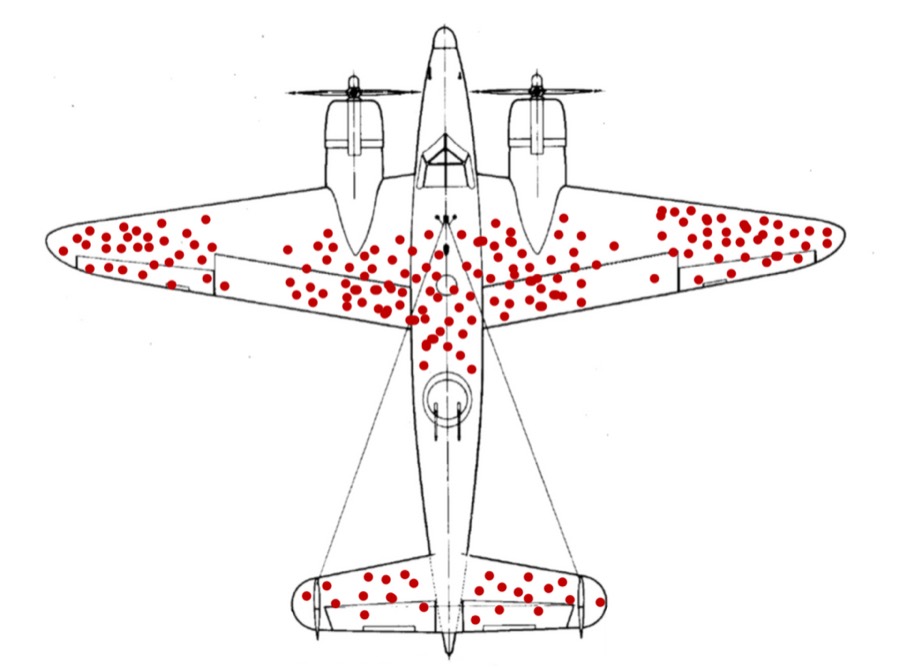
Survivorship bias
Failed founders had the same habits; they just never made it into the study.
See this alongside the other thinking tools of career growth, learning and productivity.
This bias distorts studying & learning and shopping & spending.
Go deeper
Affiliate links. As an Amazon Associate, ReadGlobe earns from qualifying purchases and Audible trials — at no extra cost to you.
The book behind this idea: Thinking, Fast and Slow by Daniel Kahneman. Hear the whole thing free — start an Audible trial and your first audiobook is on the house.
Read the full summary of Thinking, Fast and Slow →
More canonical picks:
- The Art of Thinking Clearly — Rolf Dobelli
- The Great Mental Models, Volume 1 — Shane Parrish
- Poor Charlie’s Almanack — Charlie Munger
- Super Thinking — Gabriel Weinberg & Lauren McCann
- Seeking Wisdom — Peter Bevelin
Cite this page
ReadGlobe. (2026). Hyperbolic discounting. https://readglobe.com/bias/hyperbolic-discounting/
"Hyperbolic discounting." ReadGlobe, 29 May 2026, readglobe.com/bias/hyperbolic-discounting/.
Primary source: Wikipedia
Editorial synthesis © ReadGlobe 2026, drawing on Kahneman’s Thinking, Fast and Slow, the Tversky–Kahneman research program, and the primary cognitive-science literature. · Last reviewed 2026-05-29.