Cognitive biases in relationships
The biases that strain relationships most are attribution biases: their mistakes read as character while yours read as circumstance, you assume your feelings are visible when they aren't, and one hurtful moment outweighs ten kind ones. Naming these patterns turns many recurring fights into what they usually are — two honest views of the same event.
The ones that bite hardest: Fundamental attribution error, Actor–observer bias, Empathy gap.
The biases, and how each one bites
- Fundamental attribution error
Their forgotten errand reads as "they don't care"; yours was a busy week — the same lapse, attributed to character in them and circumstance in you.
- Actor–observer bias
You explain your own snappishness by the day you had, and theirs by who they are — each side running the same asymmetry in opposite directions.
- Empathy gap
Calm, you can't truly simulate how they feel mid-argument — so "just calm down" lands as dismissal, and promises made in a good mood break in a bad one.
- Projection bias
You assume they want what you want right now — quiet, company, a solution, sympathy — and read its absence as rejection rather than difference.
- Negativity bias
One criticism outweighs ten kindnesses and lingers longer, so a mostly-good relationship can feel like a struggling one after a single bad evening.
- Illusion of transparency
"They should know how I feel" — your hurt feels written on your face, but almost none of it shows, so silence reads as fine and resentment compounds unspoken.
- The spotlight effect
You replay your awkward remark at their family dinner all night; nobody else registered it — your flaws get far more of your attention than anyone else's.
- False-consensus effect
Your way of showing love, splitting chores, or handling money feels like the obvious normal one, so their different way reads as wrong rather than merely different.
- Self-serving bias
The good times were mostly your doing; the fights were mostly theirs. Both partners run this ledger, and both ledgers can't be right.
- The peak-end rule
An argument is remembered by its worst moment and its ending — so how a fight closes shapes the memory of the whole evening more than everything before it.
The books that teach you to spot them
The canon on how the mind misfires — read one and you’ll catch these biases in the act.
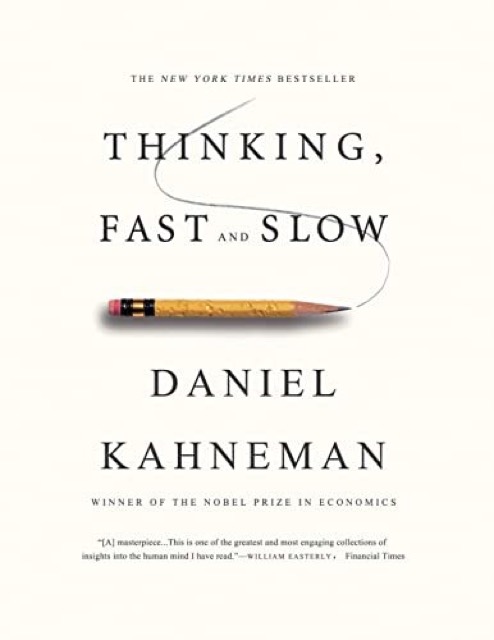
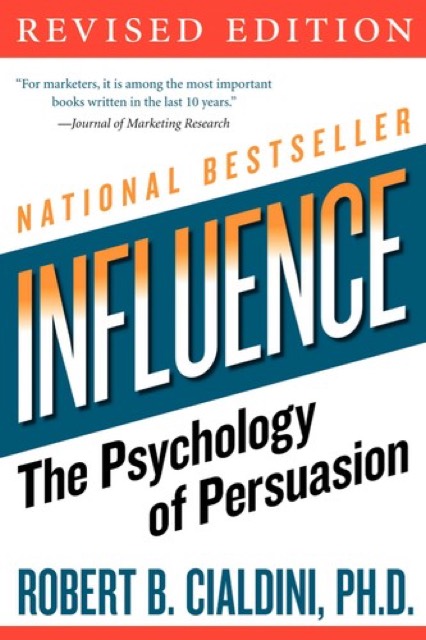
Prefer to listen? Hear the source books free on Audible — start a trial and your first audiobook is on the house.
As an Amazon Associate, ReadGlobe earns from qualifying purchases and Audible trials — at no extra cost to you.
Biases in other situations
Or browse the flip side — the mental models for real work →
Editorial synthesis © ReadGlobe. Each bias links to a full reference page with sources. Relationship biases are the attribution set — fundamental attribution error, actor–observer, empathy gap, projection — plus the visibility illusions (transparency, spotlight) that make partners feel unread. A cluster of biases no workplace hub here touches, applied to the one domain where they cost the most.